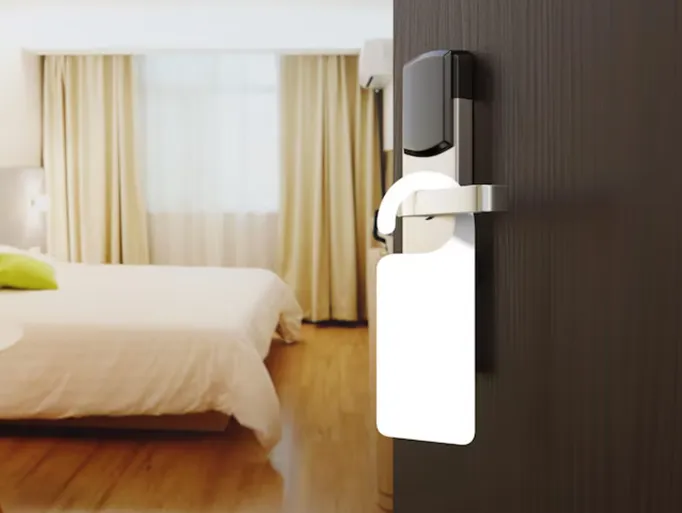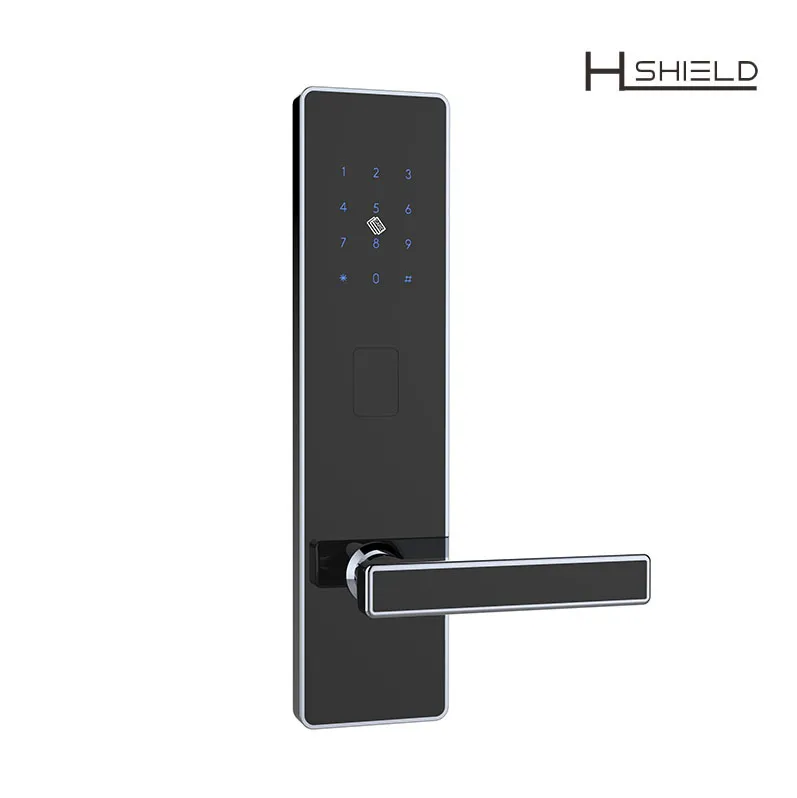

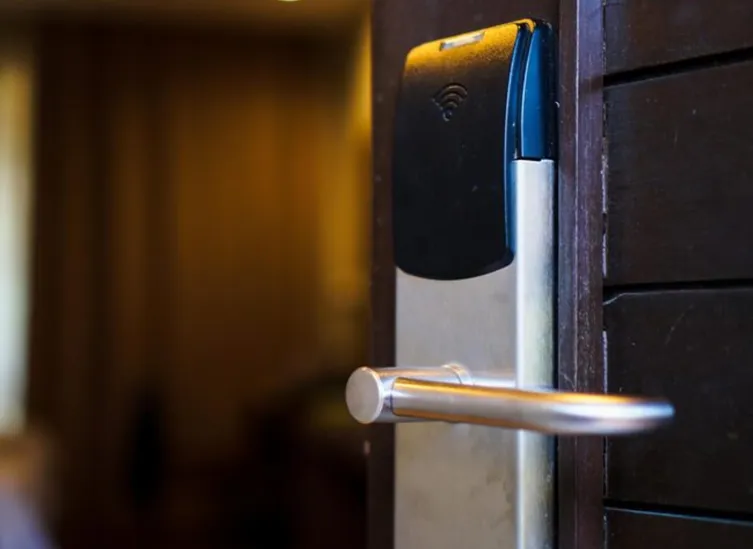
Door Survey and Retrofit Assessment: What Procurement Teams Must Audit Before Ordering Electronic Hotel Locks
Before a single purchase order goes out, procurement teams need to treat the door itself as the primary variable — not the lock. Renovation projects introduce a level of physical inconsistency that new-build projects simply don’t have, and sourcing an electronic hotel lock for renovation projects without a systematic door audit first is how budgets get blown on returns, rework, and emergency hardware orders mid-installation.
Door thickness is the first thing to measure, and it matters more than most buyers expect. Hospitality locks are typically engineered around a standard range — usually 35mm to 55mm — but older hotel stock frequently falls outside that range, especially in heritage properties or buildings that have had multiple renovation cycles. Measure every door category on the property, not just a sample. A supplier quoting a standard backset dimension is quoting for a standard door, and that may not be what’s actually on site.
The retrofit assessment should also document the following before any supplier conversations begin:
- Door material — solid wood, hollow core, aluminium, or composite each present different drilling tolerances and anchor requirements
- Existing cutout dimensions — mortise pocket size, borehole diameter, and strike plate recesses that would require modification
- Frame and jamb condition — warped frames or misaligned strikes will cause lock malfunctions regardless of hardware quality
- Current wiring or power infrastructure — relevant for electric strike and electromagnetic hold-open configurations
- Fire door classifications — any certified fire door must retain its rating post-installation, which constrains which lock bodies can be used
This audit data becomes the specification document that any credible hotel room lock replacement supplier will need before quoting accurately. Suppliers who quote without requesting this information should raise a flag — it typically means the quote will shift materially once actual conditions are assessed on delivery.
Procurement teams managing multi-floor or multi-building renovations should also account for variation across room categories. Suite doors, connecting room doors, service corridor access points, and pool or gym entries often require different backsets, different credential types, or different egress hardware configurations. Treating the property as a single specification is a common and costly assumption when sourcing an electronic hotel lock for renovation projects at scale.
Retrofit Fit Criteria for Electronic Hotel Locks: Backset Dimensions, Door Prep, and Hardware Compatibility
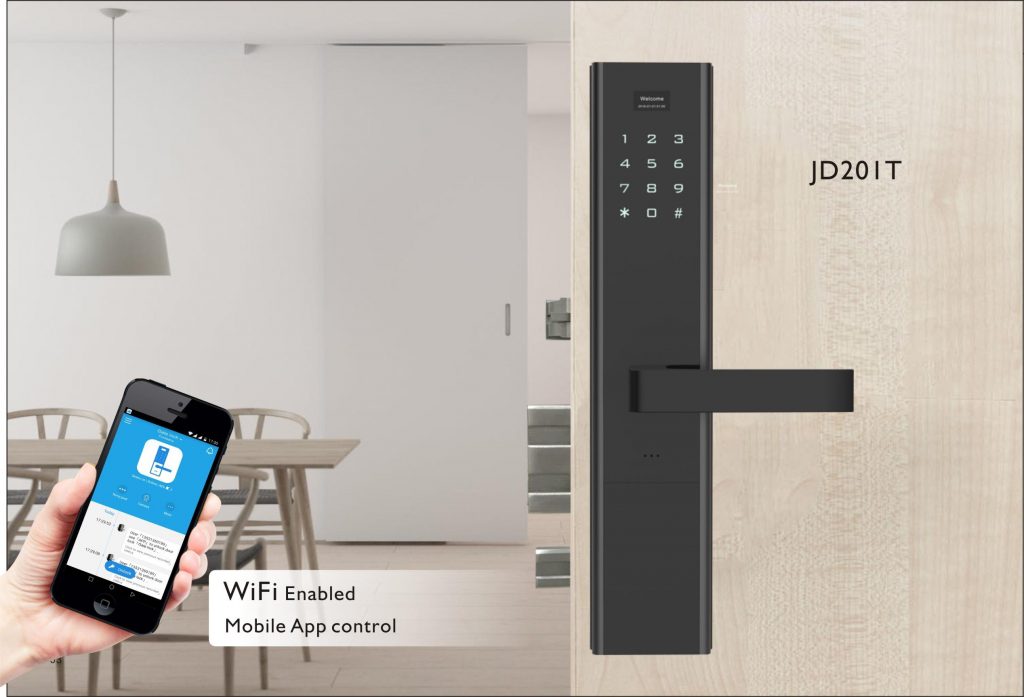
Backset dimension is the single most consequential measurement in any retrofit lock specification — and it’s the one most frequently underestimated by procurement teams working from floor plans rather than physical door surveys. The backset is the distance from the edge of the door to the center of the bore hole, and standard commercial doors typically run at either 60mm or 70mm. The problem surfaces when a property’s existing hardware predates standardization, or when doors were originally fitted for a specific OEM lock that used a proprietary backset. In those cases, a direct swap becomes a carpentry project before it becomes an installation project.
Door prep compatibility extends well beyond the backset. Case depth — the distance the lock body projects into the door — determines whether the existing mortise pocket can accept the new unit without routing. Strike plate alignment, door thickness tolerance (typically 38mm to 55mm for most commercial hotel doors), and the position of the cylinder bore relative to the rail all need to be confirmed against the incoming product’s mechanical spec sheet. Any hotel room lock replacement supplier worth engaging will provide a door prep template as part of the pre-sales package, not as an afterthought.
Hardware compatibility introduces a separate layer of complexity when the renovation involves mixed door types across a single property. Aluminum-framed glass doors common in lobby or pool areas require entirely different mounting hardware than solid-core wood or steel fire doors. Credentials aside, the physical interface between lock body and door frame has to be engineered for the substrate. Procurement teams sourcing an electronic hotel lock for renovation projects at scale should request material-specific installation guides for each door category in the property — not a single generic instruction sheet.
- Confirm backset measurement on a sample of physical doors, not just drawings — variation within a single property is common
- Request case depth and strike plate dimensions from suppliers before shortlisting
- Identify door thickness range across all room categories and verify against product tolerance specs
- Require substrate-specific mounting hardware documentation for non-standard door types
- Validate egress compliance — particularly on fire-rated doors where lock body depth affects door integrity ratings
Egress compliance deserves particular attention on fire-rated assemblies. Retrofitting an electronic hotel lock for renovation projects that involve fire-rated corridors or stairwell access points requires confirmation that the lock body and strike plate combination does not compromise the door’s fire integrity certification. This is a supplier documentation requirement, not an assumption procurement can make independently.
Evaluating a Hotel Room Lock Replacement Supplier: Certifications, MOQ, Lead Times, and Phased Delivery Capacity
Supplier qualification for a renovation-scale lock deployment is a different exercise than sourcing a handful of units for a single floor. The volume, timeline pressure, and cross-category door compatibility demands of a full property conversion mean that procurement managers need to scrutinize suppliers well beyond catalog specs — and the evaluation criteria shift accordingly.
Certifications come first. Any credible hotel room lock replacement supplier should be able to provide documentation covering ANSI/BHMA grade ratings, CE marking where applicable, and UL listings if the project scope includes fire-rated assemblies or integrated alarm systems. RFID-based electronic hotel lock for renovation projects should also carry compatibility certification with the PMS or key encoder platform already contracted — this is a document, not a verbal assurance. Request it in writing before any commercial terms are discussed.
MOQ structures vary considerably between manufacturers that serve hospitality at scale versus those that primarily supply residential or light commercial channels. For a mid-size renovation — say, 80 to 200 rooms — the practical concern is whether a supplier’s MOQ aligns with phased rollout quantities rather than full-project totals. Some manufacturers require full-project commitment upfront; others will accommodate floor-by-floor or wing-by-wing release schedules. That distinction matters significantly when renovation is staggered around occupancy.
- Confirm whether MOQ applies per SKU or across the total order — mixed door configurations can fragment quantities across multiple product lines
- Request lead time documentation for both standard and custom hardware variants, including substrate-specific mounting kits
- Ask specifically about phased delivery capacity — can the supplier warehouse finished units and release on a project schedule, or do lead times reset with each release?
- Verify quality control documentation: factory inspection reports, batch testing records, and any third-party audit certifications
Lead times for an electronic hotel lock for renovation projects are rarely the number quoted on a product sheet. Custom finishes, non-standard backsets, or region-specific compliance variations can add weeks — sometimes more. The suppliers worth shortlisting are the ones who surface those variables early, not after the purchase order is signed.
Phased Replacement Strategy for Hotel Lock Upgrades: Managing Operational Continuity and Total Cost Across Multiple Renovation Stages
Renovation projects rarely happen all at once. A full-property lock upgrade rolled out floor-by-floor — or wing-by-wing — introduces a procurement challenge that single-phase buyers rarely encounter: how do you maintain operational continuity, control cumulative costs, and hold a supplier accountable across months or even years of staggered installation?
The answer starts before the first purchase order. Phased replacement requires a supplier agreement that locks in unit pricing, finish specifications, and firmware versions across all delivery windows — not just the first one. Any hotel room lock replacement supplier worth engaging at this scale should be willing to commit to a documented supply continuity clause, which protects the buyer if product lines are updated or discontinued mid-project.
There are a few structural decisions that shape the entire phased approach:
- Define the full scope upfront, even if procurement is staged — total unit count, door types, and credential format should be agreed before phase one ships
- Negotiate a blanket order with phased release dates, rather than treating each stage as a separate transaction; this preserves pricing and ensures hardware consistency across all zones
- Confirm that the supplier can hold finished inventory against your release schedule — warehousing capacity varies significantly, and some manufacturers reset lead times with each new release
- Establish a firmware freeze policy: the version installed in phase one should remain available for phase three, so guests and staff are never managing two incompatible credential systems simultaneously
- Build a buffer — typically five to ten percent of phase volume — into each delivery to cover damage, rekeying errors, or scope additions discovered during installation
Total cost across a phased project is also rarely linear. Early phases carry higher per-unit costs if MOQ thresholds haven’t been met yet. Structuring the blanket order to aggregate volume across all phases — rather than evaluating each release independently — is one of the more effective ways to bring blended unit cost down without compressing the installation timeline.
The operational ROI of a well-managed phased rollout of an electronic hotel lock for renovation projects compounds over time: rooms coming online ahead of schedule generate revenue, and consistent hardware across all phases reduces long-term maintenance overhead. That outcome depends almost entirely on supplier agreements structured before the first unit ships — not renegotiated when phase three arrives.
Conclusion
The supplier conversation is the renovation. Everything else — installation schedules, phase buffers, room revenue — flows from agreements that get locked in before the first unit ships, not after phase two hits a snag.
If there’s one thing that separates a smooth electronic hotel lock for renovation projects from a logistical headache, it’s treating the blanket order as a strategic document, not a purchase formality. Aggregate your volume across all phases from day one. That’s where the real cost lives.
Get the paperwork right early, and the hardware almost takes care of itself.
Frequently Asked Questions
Q: What types of electronic hotel locks work best for renovation projects?
A: RFID keycard and mobile-credential locks dominate renovation specs right now — they retrofit onto most standard door preps without requiring new cutouts, which keeps labor costs predictable across multiple phases. If the property runs a phased renovation, wireless or semi-connected locks that don’t need full network cabling are worth prioritizing early in the planning conversation.
Q: How long does it take to install an electronic hotel lock during a room renovation?
A: A trained installer can typically swap a mechanical lock for an electronic unit in 30 to 90 minutes per door, assuming the door prep is standard and no frame modifications are needed. That window stretches considerably when older doors have non-standard bore patterns or when the property is coordinating installations across live floors with occupied rooms nearby.
Q: How much does an electronic hotel lock for renovation projects typically cost?
A: Hardware costs vary widely depending on connectivity tier — basic standalone RFID locks generally run lower per unit, while networked or Bluetooth-enabled locks with mobile access sit at a higher price point. The smarter cost frame for renovation projects is total-phase volume: suppliers routinely offer better unit pricing when you aggregate your full room count upfront rather than ordering floor by floor.
Q: Can I mix electronic lock brands across different renovation phases?
A: Technically possible, but it creates real headaches at the property management system level — different brands often use different credential formats, which means guests or staff may need multiple keycards depending on which floor they’re on. Locking in a single supplier across all phases of an electronic hotel lock renovation project is almost always the cleaner long-term call.
Q: Why do electronic hotel lock for renovation projects fail during phased rollouts?
A: The most common failure point isn’t the hardware — it’s supply chain mismanagement. Properties that order phase by phase without blanket agreements often find that lead times stretch, unit costs increase, and firmware versions drift between phases, creating compatibility issues that weren’t anticipated at the start.
Q: Is it worth upgrading to mobile-access locks during a hotel renovation?
A: For most mid-scale and upscale properties, the answer depends on guest demographic and PMS compatibility — mobile access adds operational value (no keycard re-encoding, faster check-in flows) but only if the back-end infrastructure can actually support it. Retrofitting mobile capability into an existing lock system mid-renovation is significantly more expensive than specifying it from the start.
Q: How do I ensure electronic hotel lock compatibility with an existing property management system?
A: Get a written integration confirmation — not a verbal assurance — from both the lock supplier and your PMS vendor before signing any purchase agreement. Many electronic hotel lock for renovation projects run into delays because compatibility was assumed rather than tested, and mid-renovation is the worst time to discover a credential encoding conflict.
Q: What should a blanket purchase agreement for electronic hotel locks include?
A: At minimum: fixed unit pricing across all phases, guaranteed lead times with penalty clauses, firmware version consistency commitments, and spare parts availability for the expected lock lifecycle (typically a decade or more). An electronic hotel lock for renovation projects becomes a long-term infrastructure decision the moment the first unit is installed — the contract should reflect that.