
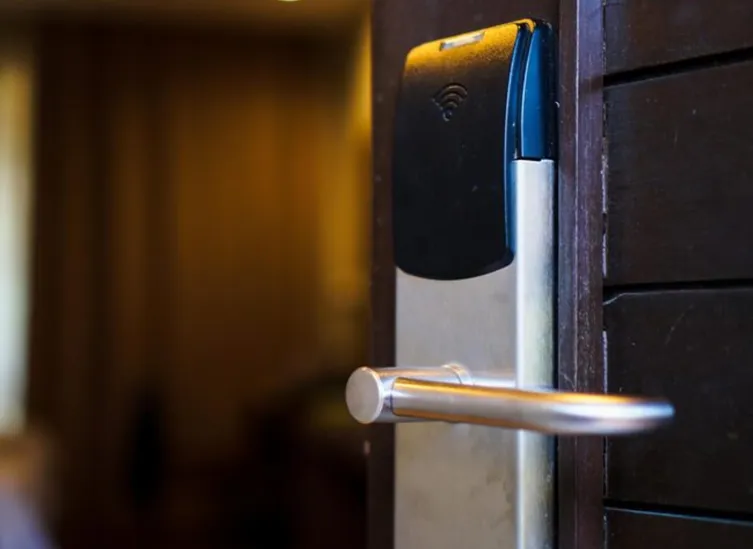
Why Hotel Smart Lock OEM Supplier Audits Fail (And What Procurement Teams Miss Before Signing)
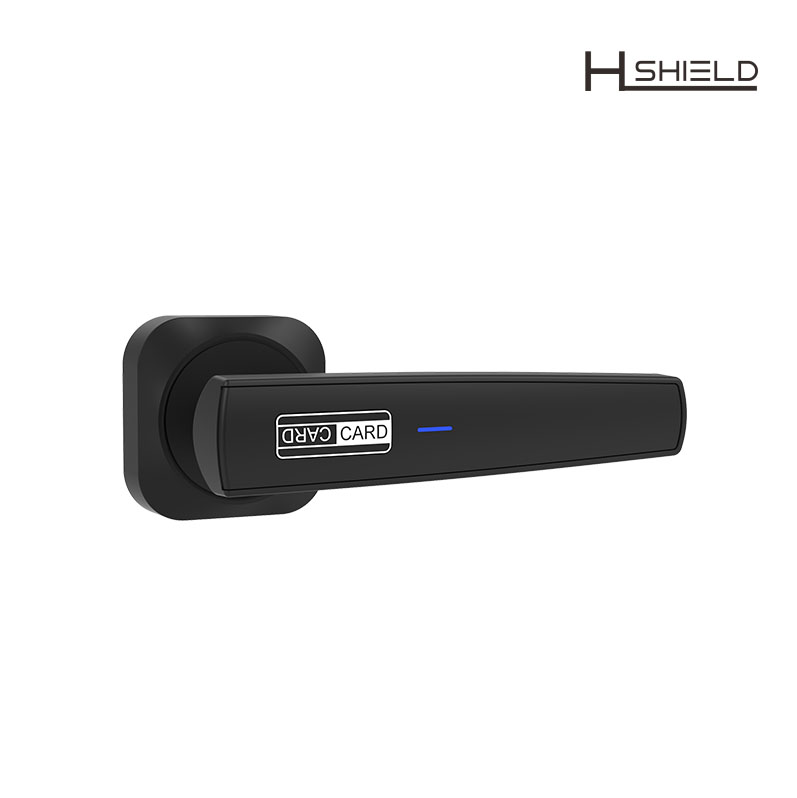
Supplier audits for hotel smart lock OEM supplier relationships tend to fail at the same point, repeatedly — not because procurement teams skip the audit entirely, but because they audit the wrong things. A factory tour looks clean, the sample units perform well in a demo environment, and the compliance certificates check out on paper. Then the first production batch ships six months later, and the firmware is three versions behind what was agreed, or the RFID credential format doesn’t align with the property management system already installed across the hotel group.
That gap — between what an audit confirms and what a commercial deployment actually demands — is where most sourcing decisions quietly unravel.
The structural problem is that most audit frameworks are borrowed from general electronics manufacturing and applied, without adjustment, to hospitality-specific hardware. Lock hardware tolerances matter, yes. But a hotel RFID lock exporter operating at scale introduces a different set of risks: interoperability with existing PMS and access control middleware, encoder compatibility across card types, and the ability to support over-the-air firmware updates without voiding certifications. None of those show up on a standard factory capability checklist.
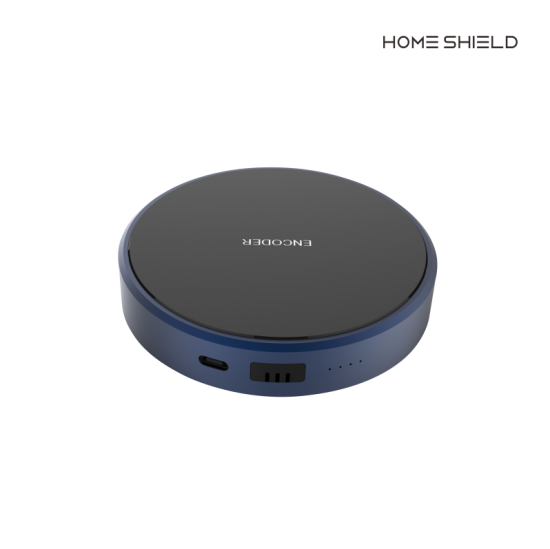
- Certification scope — does it cover the specific lock models being ordered, or a different SKU presented during qualification?
- Firmware version control — what is the supplier’s documented process for managing updates across active hotel deployments?
- Encoder and credential compatibility — has the supplier tested against the PMS platforms most common in the buyer’s target markets?
- After-sales support structure — is there a dedicated hospitality technical team, or does hotel support route through a generic consumer helpdesk?
- Sub-supplier transparency — who manufactures the RFID modules and motor assemblies, and are those sub-suppliers auditable?
MOQ thresholds and lead time commitments also deserve more scrutiny than they typically receive. A supplier quoting aggressive lead times during a slow production quarter may have no realistic capacity buffer for peak demand — something a one-time factory visit rarely exposes. Procurement teams that pressure-test these figures against historical order data and third-party capacity assessments tend to catch problems before contracts are signed, not after the first delayed rollout.
The audit, in short, needs to match the operational reality of hotel deployment — not just the product specifications on a datasheet.
Turning Audit Findings Into Commercial : Lead Times, SLA Terms, and Operational ROI From the Right OEM Partner
Audit findings don’t mean much if they never make it into the actual contract — and that’s exactly where procurement teams tend to leave real commercial value sitting on the table. The gap between what a supplier claims they can do and what they’re actually willing to put in writing? That’s where deployment risk hides. A qualified hotel smart lock OEM supplier should have no problem formalizing lead time windows, capacity guarantees, and escalation protocols as binding SLA terms. If it’s only showing up in a sales deck, it doesn’t count.
Lead times deserve a hard look. Production cycles for hotel-grade smart locks shift depending on order complexity, firmware customization, and whether the supplier is pulling from existing stock or building to spec. Procurement teams that push for tiered lead time SLAs — with actual penalty clauses tied to verified delays — are in a much stronger position than teams that take a supplier’s word for it. And here’s the thing: whatever you found during the audit process should be driving these negotiations. If a factory visit or third-party capacity review flagged constrained production windows, that finding should anchor the lead time clause. Not the supplier’s optimistic estimate. Not a number they threw out in a discovery call.
SLA structures worth negotiating with a hotel RFID lock exporter typically cover:
- Maximum production lead times by order volume tier, with clear trigger points for rush orders
- Defect rate thresholds and replacement or credit terms for non-conforming units
- Firmware update delivery timelines, including security patch response windows
- Dedicated account support escalation paths — not shared consumer support queues
- Sub-supplier change notification requirements, so substitutions in RFID modules or motor assemblies don’t arrive unannounced
The operational ROI case follows naturally from all of this. Delayed lock installations on a hotel renovation carry real costs — extended contractor schedules, deferred room revenue, brand exposure during a soft opening. A hotel smart lock OEM supplier with a consistent on-time delivery track record across comparable hospitality accounts isn’t just a safer operational bet. That history is a quantifiable commercial argument for accepting a slightly higher unit price. Procurement decisions built purely around per-unit cost routinely miss these downstream variables entirely. It adds up fast.
So the right SLA framework — built on audit evidence rather than goodwill — is ultimately what turns supplier evaluation into actual, measurable operational protection. Not a nice-to-have. A baseline.
What hotel smart lock OEM supplier Really Means
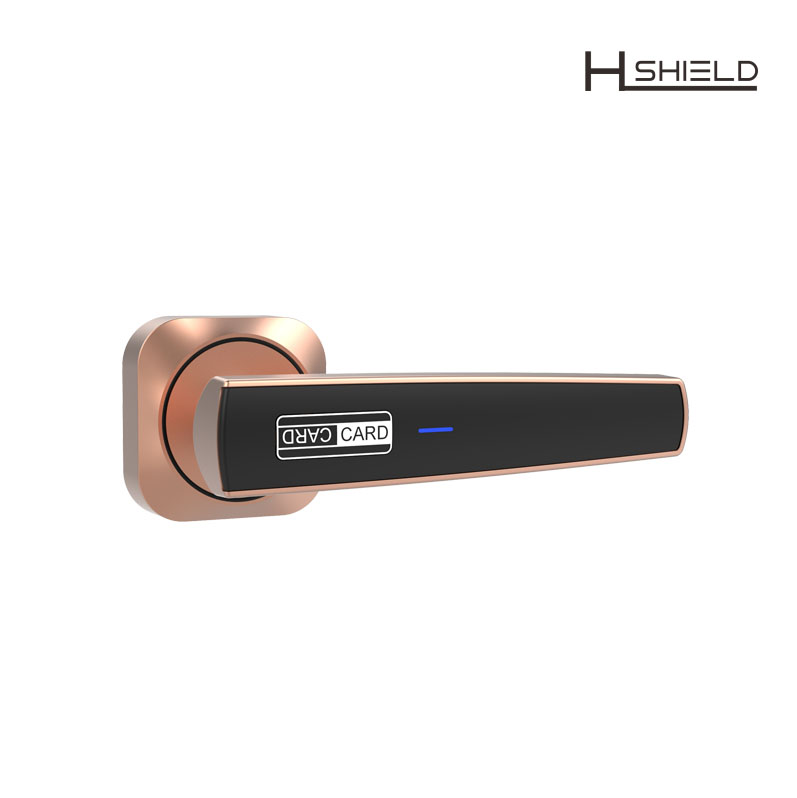
The phrase gets used loosely, and that creates real problems at the procurement stage. A hotel smart lock OEM supplier is a manufacturer that produces locking hardware to a buyer’s specifications — potentially including custom firmware, branded housing, specific credential formats, or integration requirements tied to a particular property management system. That’s a fundamentally different commercial relationship than buying off-the-shelf locks from a distributor who sources from three different factories and calls it sourcing.
The distinction matters operationally. OEM engagements involve IP ownership questions, tooling costs, and minimum order commitments that don’t exist in standard wholesale purchasing. A buyer working with a genuine OEM partner owns the product specification — which means they also carry responsibility for validating it. That’s not a burden so much as a structural advantage: the final hardware reflects actual operational requirements rather than a catalog compromise.
Where procurement teams get tripped up is conflating OEM supply with white-label reselling. Some vendors present themselves as manufacturers while actually acting as trading companies — sourcing finished goods, applying a custom label, and marking up accordingly. The tell is usually in the factory audit: a real OEM supplier can show production lines, tooling assets, and engineering staff. A reseller cannot. This distinction also surfaces in lead time reliability — a hotel RFID lock exporter operating its own production has direct control over scheduling in ways a trading intermediary simply doesn’t.
There’s also a certification layer worth flagging here. OEM arrangements often require the buyer’s branded product to carry its own certifications — CE, FCC, or regional equivalents — rather than riding on the manufacturer’s existing marks. That adds time and cost to initial product launches, but it also means the buyer holds documentation that’s legally theirs. For procurement managers building multi-property rollout programs, that portability is worth the upfront friction.
So the working definition for sourcing purposes: a hotel smart lock OEM supplier is a vertically integrated manufacturer capable of building to specification, holding relevant production certifications, and taking contractual accountability for the finished product — not just the components inside it.
Conclusion
The certification question is the one most procurement teams underestimate until it bites them — and it will bite them if they treat OEM sourcing like a standard bulk order.
Choosing the right hotel smart lock OEM supplier comes down to two non-negotiables: verified vertical integration and contractual ownership of the finished product. Everything else — price, lead time, finish options — is secondary to those two things. Get them wrong and you’re not just dealing with a delayed shipment; you’re dealing with a compliance gap across an entire property rollout.
Before any RFQ goes out, confirm who actually owns the production line and who holds the certifications. That single question filters out most of the wrong options fast.
Frequently Asked Questions
Q: What does a hotel smart lock OEM supplier actually do differently from a standard lock manufacturer?
A: A hotel smart lock OEM supplier produces finished units — firmware, credential management, hardware enclosure — to your brand specifications, not theirs. The distinction matters because a standard manufacturer sells you their product with your logo slapped on it; a true OEM partner lets you own the spec, the certification path, and the product identity. That gap shows up fast when a property management system integration breaks and you need to push a firmware fix without asking permission from someone else’s engineering team.
Q: How do I verify that a hotel smart lock OEM supplier actually controls their own production line?
A: Request a factory audit — either in person or through a third-party inspection firm — and specifically ask to see the PCB assembly line and firmware flashing station. Suppliers who are actually trading companies (reselling another factory’s product) will either dodge this request or show you a facility that clearly handles multiple unrelated product categories. Vertical integration means the same facility that stamps the lock body is also programming the chip; if those happen in different buildings owned by different entities, you’re not dealing with a true OEM operation.
Q: How long does it typically take to go from RFQ to first production sample with a hotel smart lock OEM supplier?
A: Realistically, eight to sixteen weeks — depending on how much customization is involved. Off-the-shelf molds with a custom finish might hit the shorter end; custom credential protocols or proprietary app integration will push you toward the longer end. Factor in another four to six weeks if you’re requesting any certification testing on the sample itself before mass production approval.
Q: Why do certifications matter so much when choosing a hotel smart lock OEM supplier?
A: Because the certification — UL, CE, FCC, or otherwise — has to be held against the finished product as it will be sold, not against a component or a previous model variant. A supplier might show you a valid certificate that technically doesn’t cover your customized configuration — different antenna placement, modified firmware, alternate credential card type — and that gap is a compliance liability the moment a guest or insurer looks closely. The certification question is the one that separates suppliers who understand hospitality procurement from those who don’t.
Q: What’s a reasonable MOQ when sourcing from a hotel smart lock OEM supplier?
A: MOQs vary widely — typically anywhere from 200 to 2,000 units depending on how much tooling customization is involved. Fully custom enclosures with proprietary molds carry higher minimums because the supplier is amortizing tooling costs across the run. If a supplier quotes you a suspiciously low MOQ on a highly customized spec, ask specifically who owns the mold — because “low MOQ now” often means “we own the tooling and you can’t take it elsewhere later.”
Q: Can I switch hotel smart lock OEM suppliers mid-rollout across multiple properties?
A: Technically yes, practically painful — especially if the credential system (RFID card format, BLE protocol, mobile key integration) is tied to the first supplier’s proprietary stack. Before signing any OEM agreement, confirm in writing that you own the credential specifications and that any future supplier can produce to the same protocol without licensing restrictions. Mid-rollout supplier changes that weren’t planned for from day one tend to create card compatibility issues across properties that are already live.
Q: Is it worth paying more for a hotel smart lock OEM supplier with in-house software development?
A: For most hotel groups doing multi-property rollouts — yes, the premium is worth it. Suppliers who outsource their firmware or mobile app to a third-party developer create a dependency chain you have no visibility into; when something breaks at 2am during peak occupancy, the support path gets complicated fast. In-house software capability also means faster iteration when a PMS vendor updates their API and your lock integration needs to keep pace.
Q: How much do I have negotiating IP ownership with a hotel smart lock OEM supplier?
A: More than most buyers realize — but only before the contract is signed. The moment tooling is cut and production starts, your negotiating position collapses. Push hard upfront for explicit clauses covering mold ownership, firmware source code escrow, and trademark licensing terms; a supplier confident in their relationship with you won’t resist these clauses, while one planning to use your volume as later absolutely will.
SEO Metadata Reference
SEO Title: Hotel Smart Lock OEM Supplier Audit: 12 Proof Points
Meta Description: Auditing a hotel smart lock OEM supplier? Learn the 12 proof points procurement teams miss — before a bad batch ships and costs you everything.