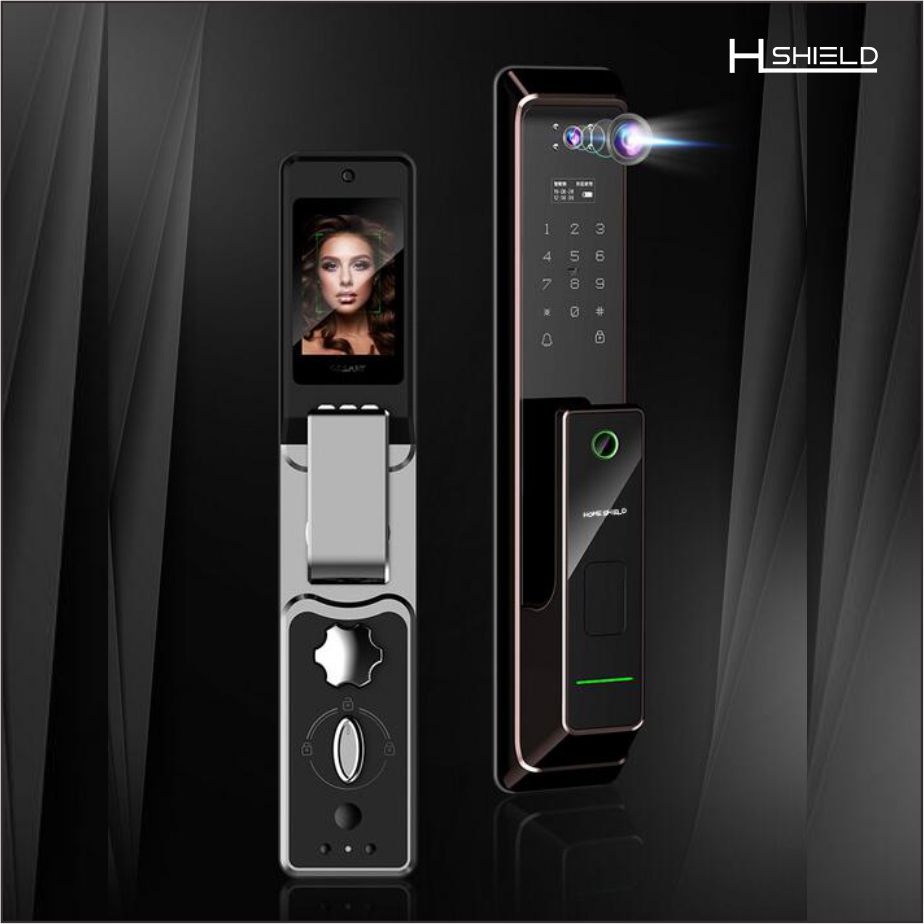

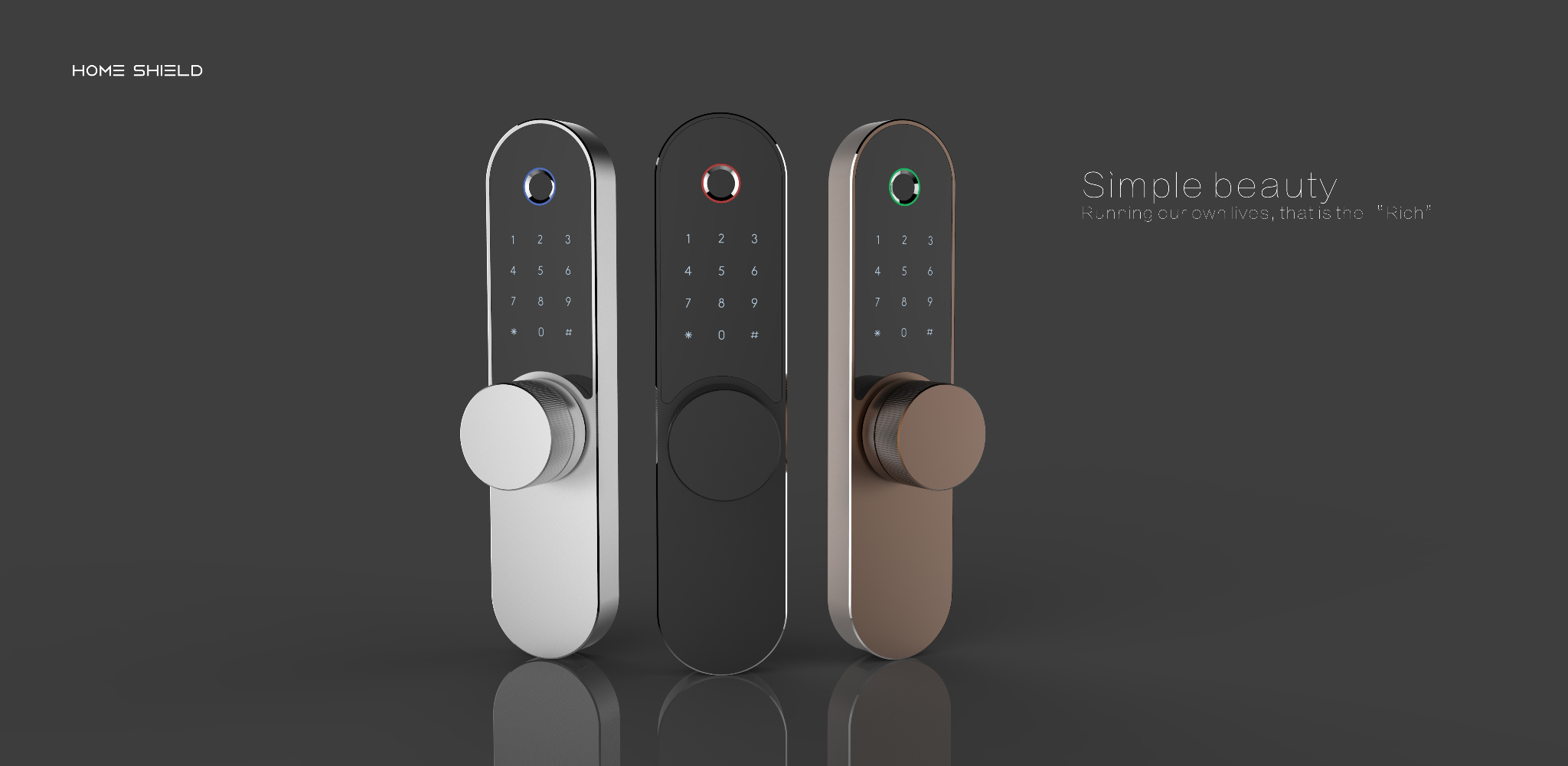
Sourcing a Face Recognition Door Lock Private Label Program: MOQ, Lead Times, and Factory Certification Benchmarks
Sourcing a 3D face recognition smart lock OEM relationship is a fundamentally different exercise from placing a standard hardware order — and procurement teams who treat it like a commodity purchase tend to pay for that mistake later, usually in the form of delayed shipments, inconsistent units, or a private label product that doesn’t hold up under regulatory scrutiny in the target market.
MOQ thresholds vary considerably across factory tiers. Tier-1 manufacturers with in-house structured-light or ToF module production typically set minimums in the 500–2,000 unit range per SKU for initial orders, reflecting the tooling and firmware customization costs baked into a face recognition door lock private label arrangement. Smaller contract manufacturers may quote lower MOQs on paper, but watch for hidden compromises — reduced firmware customization scope, shared module sourcing, or no dedicated QC line for your batch.
Lead times follow a predictable pattern once you know what to look for. A standard production run — assuming tooling is already finalized and firmware branding is approved — generally runs eight to fourteen weeks from purchase order confirmation. That window stretches considerably if the buyer requires custom enclosure tooling, regional certification testing, or specific packaging localization. Build those buffers into procurement timelines before committing to a retail launch date.
Certification benchmarks are non-negotiable in most commercial deployment contexts. Any credible 3D face recognition smart lock OEM partner should be able to produce documentation for the following:
- CE and FCC compliance for European and North American market entry
- ISO/IEC 30107-3 liveness detection compliance — the baseline for anti-spoofing credibility
- IP65 or higher ingress protection rating if any outdoor or semi-exposed installation is anticipated
- Local data privacy certifications relevant to the target deployment region
Factory audits matter here. A third-party audit — BSCI, SMETA, or an equivalent social compliance framework — signals that the manufacturer operates at a level of process maturity consistent with sustained OEM production, not just sample-stage performance. Procurement teams sourcing at volume should request the most recent audit report as a condition of shortlisting, not as an afterthought during due diligence.
Data Privacy Architecture and Security Compliance Requirements for 3D Face Recognition Smart Lock OEM Partnerships
Biometric data sits in a different regulatory category than most hardware specifications — and that distinction carries real procurement consequences. For any buyer sourcing a 3D face recognition smart lock OEM partner, the data architecture question is not a legal formality to resolve after contracts are signed. It shapes which markets a product can enter, which enterprise clients will accept it, and whether a recall or regulatory action becomes a liability that lands on the OEM buyer rather than the manufacturer.

The core issue is where facial template data is processed and stored. On-device processing — where the biometric template never leaves the lock hardware — is the architecture that satisfies the strictest regional frameworks, including GDPR in Europe and PDPA-aligned requirements across Southeast Asia. Manufacturers offering genuine edge-processing pipelines, with no cloud dependency for authentication decisions, give OEM partners a structurally cleaner compliance position. Cloud-dependent architectures are not automatically disqualifying, but they demand a far more rigorous contractual framework around data residency, retention limits, and breach notification obligations.
When evaluating suppliers for a face recognition door lock private label program, procurement teams should request documented answers to the following before technical validation even begins:
- Where is the facial recognition template generated — on-chip, on-device MCU, or server-side?
- Is biometric data encrypted at rest and in transit, and which encryption standard governs both?
- Does the manufacturer hold or pursue SOC 2 Type II, ISO/IEC 27001, or an equivalent information security certification?
- What is the data deletion mechanism when a user is removed — and is it verifiable at the hardware level?
- Has the device architecture been reviewed against the relevant regional privacy framework for the buyer’s target deployment market?
Manufacturers operating at genuine OEM scale — not sample-stage capability — typically have these answers documented and readily available. Vague responses or deferred answers are a signal worth taking seriously. The regulatory exposure in biometric hardware is asymmetric: the compliance cost of getting architecture right at the sourcing stage is a fraction of the remediation cost if a deployed product fails a regional audit or triggers a data protection investigation post-launch.
Evaluating Supplier Readiness for Private Label Face Recognition Door Lock Programs: Firmware Customization, Branding Scope, and Ongoing Support
Supplier readiness for a private label program is not simply a question of whether a manufacturer can print a custom logo on a faceplate. For buyers sourcing at the OEM level, the real evaluation sits deeper — in how much of the product stack the supplier actually controls, and whether that control translates into meaningful customization options for the buyer’s specific commercial requirements.
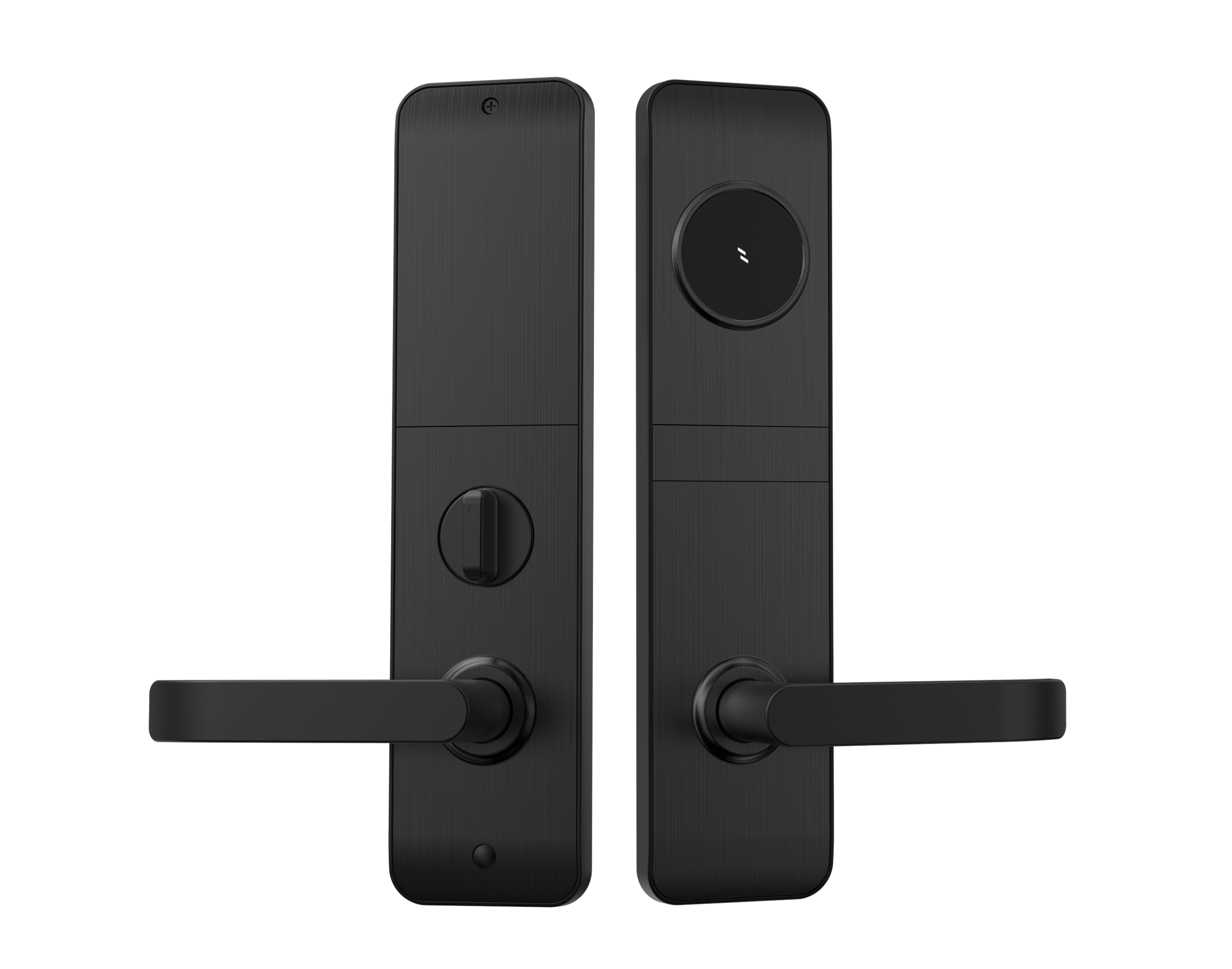
Firmware access is the first dividing line. A 3D face recognition smart lock OEM partner operating with full in-house firmware development can expose configuration layers that third-party assemblers simply cannot touch — things like recognition threshold parameters, anti-spoofing sensitivity, local data retention policies, and UI language packs. Suppliers who license their core algorithm from a third party and assemble around it will often have hard limits on what can be modified, which creates downstream problems when a buyer’s deployment market has specific behavioral or regulatory requirements the default firmware doesn’t accommodate.
Branding scope varies more than most buyers expect at first inquiry. Surface-level private labeling — enclosure color, logo placement, packaging — is table stakes. What separates mature OEM programs is the depth below that: custom boot screens, proprietary admin portal branding, mobile app white-labeling, and whether the device’s embedded UI can be stripped of the manufacturer’s identity entirely. For a face recognition door lock private label program to hold up commercially, particularly in enterprise or hospitality verticals where end-user perception matters, that full-stack brand separation is often non-negotiable.
- Ask for a written specification of every layer the supplier permits buyers to customize — firmware, hardware, packaging, software, and cloud dashboard.
- Confirm whether customization fees are per-SKU, per-project, or included above a stated MOQ threshold.
- Establish who owns the customized firmware build — and what happens to that build if the commercial relationship ends.
- Verify post-launch support terms: bug fix SLAs, firmware update cadence, and whether security patches are pushed automatically or require buyer-side action.
Ongoing support is where a lot of OEM relationships quietly deteriorate. A supplier capable of delivering a well-engineered sample batch is not automatically equipped to maintain a deployed product across a multi-year lifecycle. Procurement teams should treat support infrastructure — dedicated account contacts, documented escalation paths, regional technical resources — as a scored criterion in supplier evaluation, not an afterthought negotiated after the contract is signed.
Conclusion
The 3D face recognition smart lock OEM space rewards buyers who treat supplier vetting as an ongoing process — not a one-time purchase decision. Getting a solid sample is the easy part. What separates workable long-term partnerships from expensive regrets is whether your supplier can actually sustain a deployed product: security patches, firmware cadence, real escalation paths — not just a sales contact who stops answering after the first shipment clears.
Don’t sign off on support terms as an afterthought.
The technology is mature enough that the hardware itself is rarely the weak point anymore. Execution, lifecycle management, and who owns what if the relationship goes sideways — that’s where deals quietly fall apart. Get those answers in writing before anything else.
Frequently Asked Questions
Q: What is a 3D face recognition smart lock OEM, and how is it different from a standard face recognition lock?
A: A 3D face recognition smart lock OEM is a manufacturer that produces face-scanning lock hardware under your brand — but the “3D” part matters more than most buyers realize. Standard face recognition locks often use 2D cameras, which can be spoofed with a photograph; 3D systems use structured light or time-of-flight sensors to map facial depth, making liveness detection genuinely robust. You’re not just buying a lock — you’re buying an anti-spoofing architecture that your brand will be accountable for in the field.
Q: How much does it cost to start a 3D face recognition smart lock OEM partnership?
A: Tooling fees, firmware customization, and minimum order quantities vary widely, but most credible OEM arrangements in this space carry upfront costs that aren’t trivial — expect tooling and NRE (non-recurring engineering) charges before a single unit ships. MOQs typically start somewhere between a few hundred and a few thousand units depending on the supplier’s scale. The bigger hidden cost is certification: getting a product through FCC, CE, or regional fire-safety standards can add months and significant spend on top of unit economics.
Q: How long does it take to get a 3D face recognition smart lock OEM product to market?
A: Realistically, six to twelve months from signed agreement to first compliant shipment — and that’s if sampling, firmware customization, and certification run smoothly, which they often don’t. Buyers who budget eight weeks are usually the ones who end up missing launch windows. The certification phase alone (especially if you’re entering multiple regional markets simultaneously) can stall a timeline by a quarter.
Q: Why do 3D face recognition smart lock OEM deals fall apart after the first shipment?
A: The most common reason is what the previous sections of this article already flagged — support terms that were treated as an afterthought. Firmware vulnerabilities get discovered post-deployment, hardware batches drift in component quality, and if your contract doesn’t define patch obligations and escalation paths, you’re left holding the liability your supplier quietly walked away from. A good OEM relationship is a service contract as much as it is a manufacturing arrangement.
Q: Can I white-label a 3D face recognition smart lock OEM product and still customize the firmware?
A: Most established OEM suppliers offer tiered customization — branding and UI changes at the shallow end, deeper firmware access for buyers with the technical team and volume to justify it. The catch is that deeper firmware access often means you inherit more of the security maintenance burden. Get clarity in writing on who owns the codebase, who pushes security patches, and whether your customizations survive a supplier-side firmware update.
Q: How do I verify that a 3D face recognition smart lock OEM supplier’s liveness detection actually works?
A: Ask for third-party penetration test results — not just the supplier’s internal claims. Reputable suppliers in this space can point to independent lab testing against ISO/IEC 30107-3 (the international standard for presentation attack detection). If a supplier can’t produce documentation and deflects to demo videos, that’s a signal worth taking seriously before you commit to volume.
Q: Is it worth choosing a 3D face recognition smart lock OEM over sourcing a finished product from a distributor?
A: For brands that need differentiation, custom integration with access control ecosystems, or control over long-term pricing — the OEM route makes sense. Distributor-sourced products give you speed and lower upfront risk, but you’re entirely dependent on someone else’s roadmap, discontinuation decisions, and support infrastructure. The OEM path is a higher-stakes bet that pays off when you have the volume and the operational capacity to manage it properly.
Q: What certifications should a 3D face recognition smart lock OEM product have before I sell it in the US or EU?
A: At minimum, FCC Part 15 for the US and CE marking (covering EMC and radio directives) for EU — but smart locks that integrate with building systems often need additional compliance depending on fire-rating requirements and local building codes. Data privacy is a separate layer entirely: if your lock stores biometric templates locally or in the cloud, GDPR in the EU and various US state-level biometric privacy laws (Illinois BIPA being the most litigated) will apply. Don’t let a supplier tell you certification is “your problem” without first confirming what pre-certified testing data they can hand over.