
How Keypad Door Lock OEM Supplier Programs Actually Work — And What Buyers Get Wrong About Them
Most procurement managers approach a keypad door lock OEM supplier the same way they’d approach any contract manufacturer — send a spec sheet, ask for a unit price, negotiate MOQ, done. That model works fine for commodity hardware. It breaks down fast in access control.
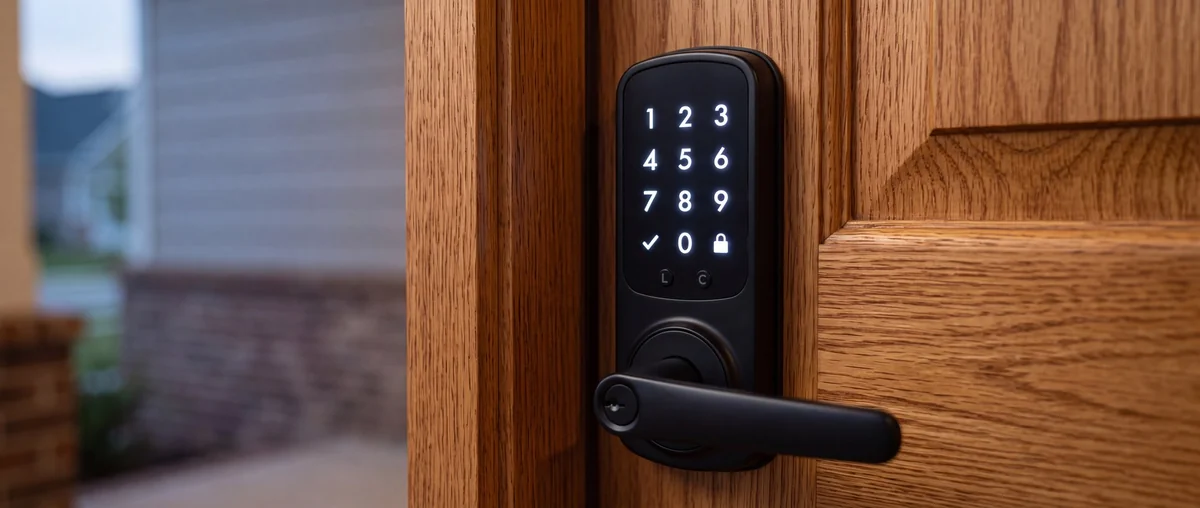
Here’s what actually happens inside a proper OEM program. The supplier isn’t just stamping your logo on an existing SKU. They’re offering a tiered structure — typically ranging from basic private-label agreements (minimal customization, faster timelines) up to full ODM engagements where firmware, UI logic, and even RF protocols can be modified to your spec. The gap between those two tiers isn’t just technical. It’s commercial. Entry-level programs often carry lower MOQs but lock you into the supplier’s existing certification footprint. Full ODM work usually requires you to co-fund compliance testing — FCC, CE, UL, whatever markets you’re targeting — which adds both cost and lead time that buyers routinely underestimate.
The password smart lock private label tier is where mid-market buyers tend to get tripped up. It looks like a shortcut: the hardware is tested, the firmware is stable, and the supplier handles most of the regulatory paperwork. But “private label” in this context doesn’t mean you own the product architecture. If the supplier discontinues a chipset or pivots their firmware stack, your branded product is exposed — and your service contract obligations don’t care about the supplier’s roadmap decisions.
A few structural realities worth understanding before entering any OEM negotiation:
- Tooling fees are almost always non-refundable — even if production never starts.
- Sample approval cycles typically run four to eight weeks; factor this into launch timelines, not as an afterthought.
- Certification ownership matters — confirm in writing whether you or the supplier holds the test reports and whether you can transfer them if you switch manufacturers.
- Some suppliers bundle technical support into the program; others bill it separately once you’re past the onboarding phase.
The buyers who extract real operational value from an OEM relationship are the ones who treat supplier selection as a strategic decision — not a sourcing transaction. That means auditing factory capability, not just price sheets.
Evaluating a Password Smart Lock Private Label Partner: MOQ, Certifications, and the Details That Kill Deals Later
Private label procurement decisions have a way of looking clean on the surface — competitive unit pricing, a capable-looking factory profile, a product line that maps well to your target segment — and then unraveling in the details. For buyers sourcing a password smart lock private label program specifically, the evaluation criteria that matter most are rarely the ones that show up first in a supplier’s pitch deck.
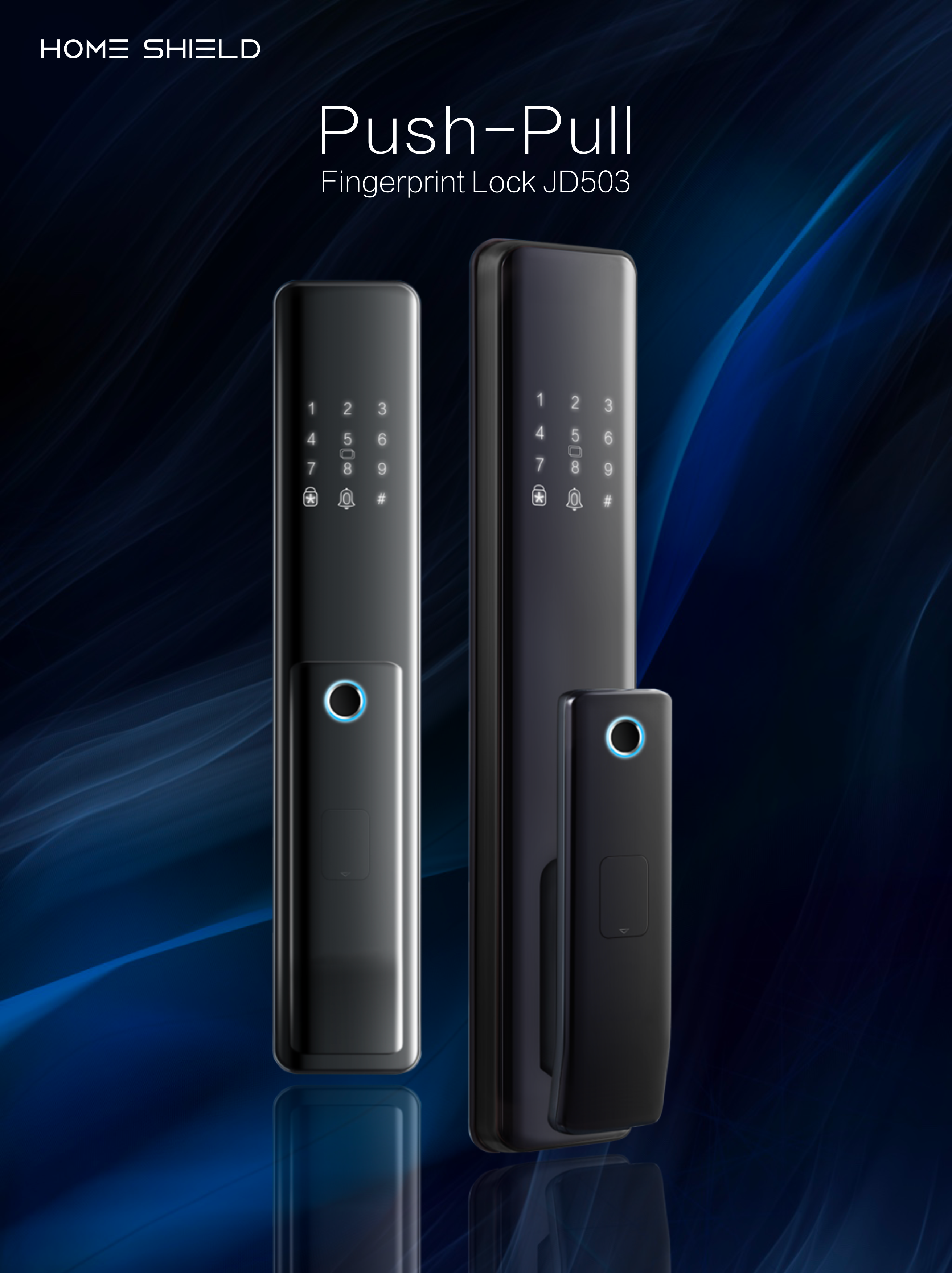
Start with MOQ structure. A keypad door lock OEM supplier quoting a low headline MOQ may be attaching conditions — per-SKU minimums, per-colorway restocking requirements, or annual volume commitments that effectively push your real commitment much higher. Ask for the full MOQ schedule across your intended SKU range before treating any number as final.
Certifications deserve the same scrutiny. CE, FCC, and UL listings are table stakes for most commercial markets, but the critical question isn’t whether a supplier holds them — it’s how they hold them. Are the test reports product-specific or platform-level? Are they tied to a component configuration you’ll actually be shipping? And — this was covered briefly in the context of OEM agreements generally — confirm in writing who retains ownership of those reports if the relationship ends. Some suppliers structure certification ownership in ways that create real switching friction later.
There are a few other evaluation points that consistently surface as deal-killers after contracts are signed:
- Firmware update policy — who controls release cycles, and what’s the process if a security vulnerability requires a patch post-shipment?
- Label and packaging customization scope — some factories limit private label to a logo swap; others support full retail packaging design with no additional tooling fees.
- After-sales technical documentation — does the supplier provide English-language installation guides and API documentation suitable for your end customers, or will you be adapting raw factory materials yourself?
- Warranty terms at the B2B level — distinct from consumer warranty language, and worth negotiating explicitly.
A keypad door lock OEM supplier that handles these points transparently in early conversations is signaling operational maturity. One that deflects or treats them as secondary is showing you exactly how post-contract support will go.
From Tooling to Shipment: Lead Times, Customization Depth, and What a Real Keypad Lock OEM Process Looks Like
Procurement timelines rarely fail at the negotiation stage — they fail at tooling handoff, when buyers discover that the quoted lead time assumed standard components and their customization requests just added eight weeks nobody budgeted for. Understanding where time actually goes in a keypad door lock OEM supplier relationship is what separates buyers who hit launch windows from those who don’t.
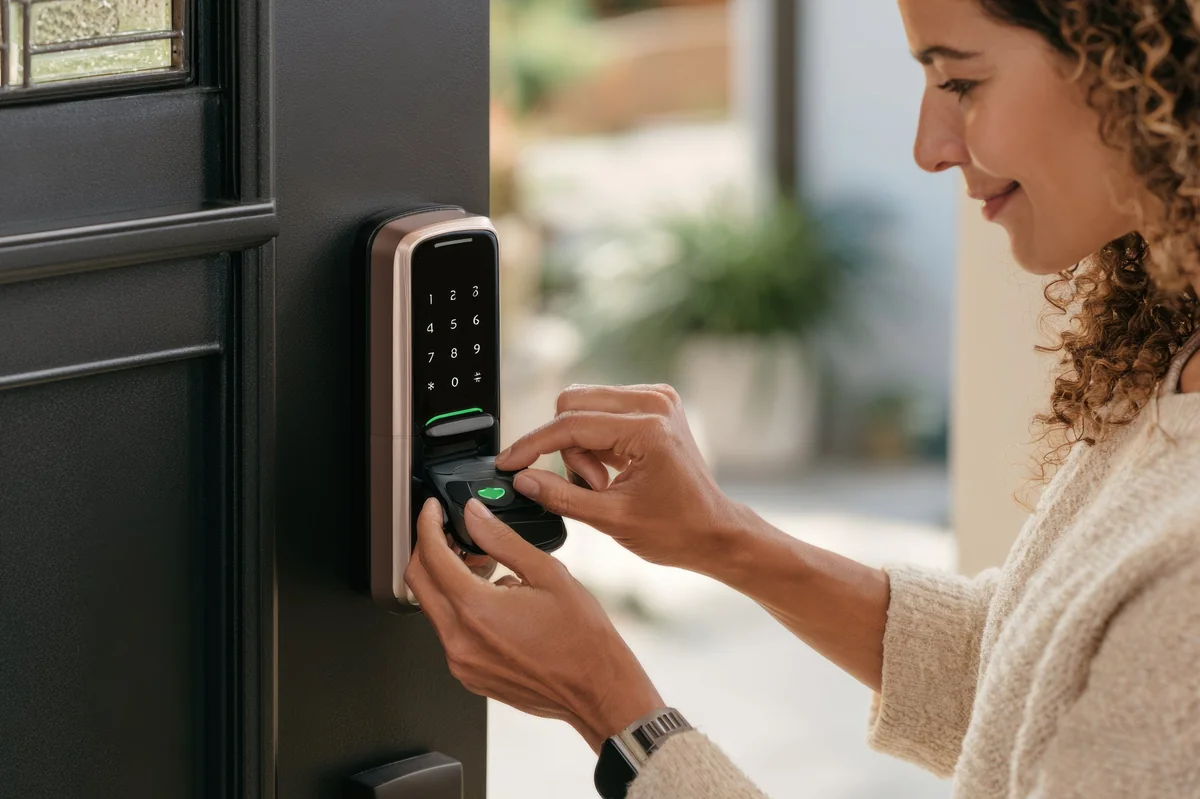
Tooling is the first variable that catches teams off guard. If your branding requires a custom housing mold — different faceplate geometry, recessed logo, proprietary color — expect tooling alone to run four to ten weeks before a single production unit gets assembled. Suppliers who quote aggressive lead times without clarifying whether that includes or excludes tooling are not being deceptive, necessarily. They’re just answering a different question than the one you’re asking. The fix is simple: require a phased timeline breakdown in writing, segmented by tooling, sample approval, production run, and freight.
Sample approval cycles are the second hidden delay. Most buyers underestimate how many revision rounds a password smart lock private label program actually requires — firmware string localization, packaging dieline adjustments, and regulatory label placement can each trigger a new sample request. Build two to three approval rounds into your project plan as a baseline, not a worst case.
Customization depth varies significantly between suppliers, and it affects both lead time and MOQ. A rough breakdown of what different tiers typically support:
- Logo and color customization only — shortest lead times, lowest MOQ, minimal tooling cost
- Custom housing or keypad layout — medium lead times, moderate tooling investment, higher MOQ thresholds to justify tooling amortization
- Full firmware customization with proprietary app integration — longest lead times, requires engineering collaboration, often necessitates a dedicated project manager on the supplier side
And the production run itself — once samples are approved — is frequently the shortest phase of the entire process. The operational reality of working with a capable keypad door lock OEM supplier is that most of the elapsed time happens before mass production starts, not during it. Buyers who internalize that shift their energy toward compressing the front-end phases: faster tooling sign-off, cleaner sample feedback, pre-approved regulatory documentation. That’s where schedule risk actually lives.
Building Commercial ROI Into Your Password Smart Lock Private Label Program Before You Sign Anything
ROI on a password smart lock private label program rarely comes from the unit price alone — and procurement teams that anchor their supplier evaluation purely on ex-works cost tend to discover the real margin erosion later, in warranty claims, repackaging costs, and retailer chargebacks. The commercial case has to be built upstream, before tooling deposits are wired and before any contract is signed.
Start with the cost structure that actually matters at scale. A capable keypad door lock OEM supplier will give you a detailed BOM breakdown on request — not just a per-unit quote. That breakdown tells you where your margin lives: in the locking mechanism tolerance, the PCB component sourcing, the battery housing spec. If a supplier won’t open the BOM, that’s a signal worth taking seriously.
There are four commercial levers worth negotiating before program launch:
- Volume-tiered pricing with defined step-down thresholds — so your unit cost drops predictably as reorder volumes grow, not just at the supplier’s discretion
- Warranty liability allocation in writing — who absorbs rework or replacement costs if a defect rate exceeds an agreed threshold in the field
- Tooling ownership terms — molds and firmware assets should revert to your brand after full amortization, not remain supplier-controlled indefinitely
- Exclusivity windows on your SKU configuration — even a 12-month regional exclusivity clause protects your launch margin against the supplier selling an identical unit to a direct competitor
And the packaging spec deserves its own commercial conversation. Retail-ready cartons, multilingual inserts, certification mark placement — these add cost, but they also determine whether your product clears import compliance and passes buyer review at a major distributor. A keypad door lock OEM supplier with established export documentation workflows can cut weeks off that process.
The underlying principle: every term left vague in a supplier agreement is a cost you’ll absorb later. Buyers who model total program cost — tooling, sampling, compliance, warranty reserves, and reorder minimums — before committing tend to build programs that hold margin across the full product lifecycle, not just on the first production run.
Conclusion
The supplier relationship is a commercial structure — and the buyers who treat it that way from day one are the ones who don’t get squeezed on reorder three cycles in. Tooling ownership, exclusivity windows, packaging specs: these aren’t negotiation niceties, they’re margin protection.
Choosing the right keypad door lock OEM supplier isn’t just a sourcing decision. It’s a product architecture decision.
So before you sign anything, model the full program cost — not just unit price. The number that matters is landed, compliant, and shelf-ready. Everything else is just optimism.
Frequently Asked Questions
Q: What does a keypad door lock OEM supplier actually do differently from a standard manufacturer?
A: A keypad door lock OEM supplier builds to your specifications — your branding, your firmware requirements, your packaging — rather than selling you a finished product off a catalog shelf. The distinction matters because it shifts product ownership to you, which affects everything from warranty liability to retail margin control. Most standard manufacturers won’t touch custom tooling or firmware whitelabeling without a formal OEM agreement in place.
Q: How much does it cost to start an OEM program with a keypad door lock supplier?
A: Tooling fees alone can run anywhere from a few thousand to tens of thousands of dollars depending on how much physical customization you’re requesting — custom keypads, housing molds, and PCB layouts each carry separate costs. Beyond tooling, expect minimum order quantities that often make the first run more expensive per unit than subsequent ones. The real number to model is total program cost: tooling, compliance testing, freight, and packaging — not just the unit price quoted in the initial sample stage.
Q: How long does it take to get a first production sample from a keypad door lock OEM supplier?
A: Sample lead times typically range from three to eight weeks, depending on how much engineering customization is involved. If you’re requesting firmware modifications or new mold work, that timeline stretches — sometimes significantly. Build this into your launch calendar early, because most buyers underestimate how many sample revision rounds are actually needed before production sign-off.
Q: What certifications should a keypad door lock OEM supplier have before I commit?
A: At minimum, look for UL or CE certification depending on your target market, plus FCC or IC compliance if the lock includes wireless connectivity. ANSI/BHMA grading is relevant if you’re selling into the U.S. residential or commercial channel — retailers often require it. A supplier who can’t provide current, product-specific test reports (not just factory-level certificates) is a compliance risk you don’t want to inherit.
Q: Can I get exclusivity on a keypad lock design through an OEM supplier?
A: Exclusivity is negotiable, but it almost always comes with conditions — typically a volume commitment over a defined window. What buyers often miss is the scope of the exclusivity clause: some suppliers will lock your SKU but continue selling functionally identical products under different branding. Get the exclusivity terms in writing and make sure they cover the underlying tooling and firmware, not just the surface cosmetics.
Q: Why do reorder prices from a keypad door lock OEM supplier sometimes come in higher than the original quote?
A: Raw material fluctuations — particularly for zinc alloy, ABS plastic, and electronic components — are the most common culprit. Some suppliers also use a low initial quote to win the program, then adjust pricing once you’re operationally dependent on them (tooling is sunk, packaging is printed, the SKU is live). Locking in a price escalation clause tied to an index, or negotiating multi-run pricing upfront, is how experienced buyers protect themselves from this.
Q: Is it worth using a trading company to source a keypad door lock OEM supplier, or should I go direct?
A: Trading companies can be useful for first-time buyers who need someone to manage communication, quality inspection, and logistics — but they add a margin layer and often limit your direct visibility into the factory. For OEM programs specifically, going direct gives you tighter control over tooling ownership and IP agreements, both of which get murky when a middleman is in the chain. If you use a trading company, make sure the OEM contract is between you and the factory — not between you and the trader.
Q: How do I verify that a keypad door lock OEM supplier actually manufactures in-house versus outsourcing production?
A: Request a factory audit — either in person or through a third-party inspection service — and ask specifically to see the PCB assembly line and final QC station. Suppliers who outsource key production steps will often deflect or show you a facility that doesn’t match the scale implied by their catalog. Audit reports from recognized inspection firms carry more weight than factory photos or self-issued capability statements.