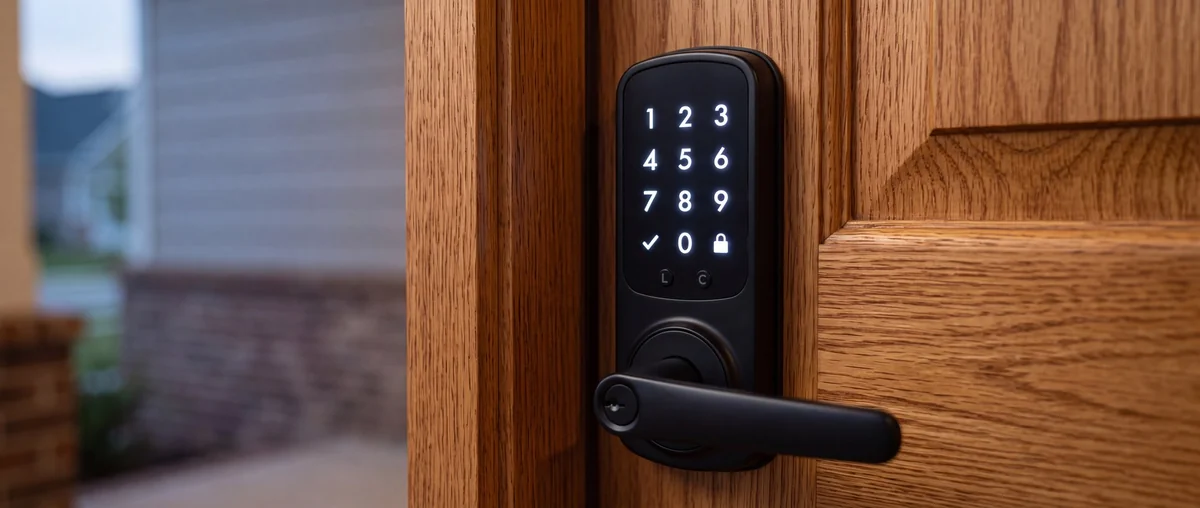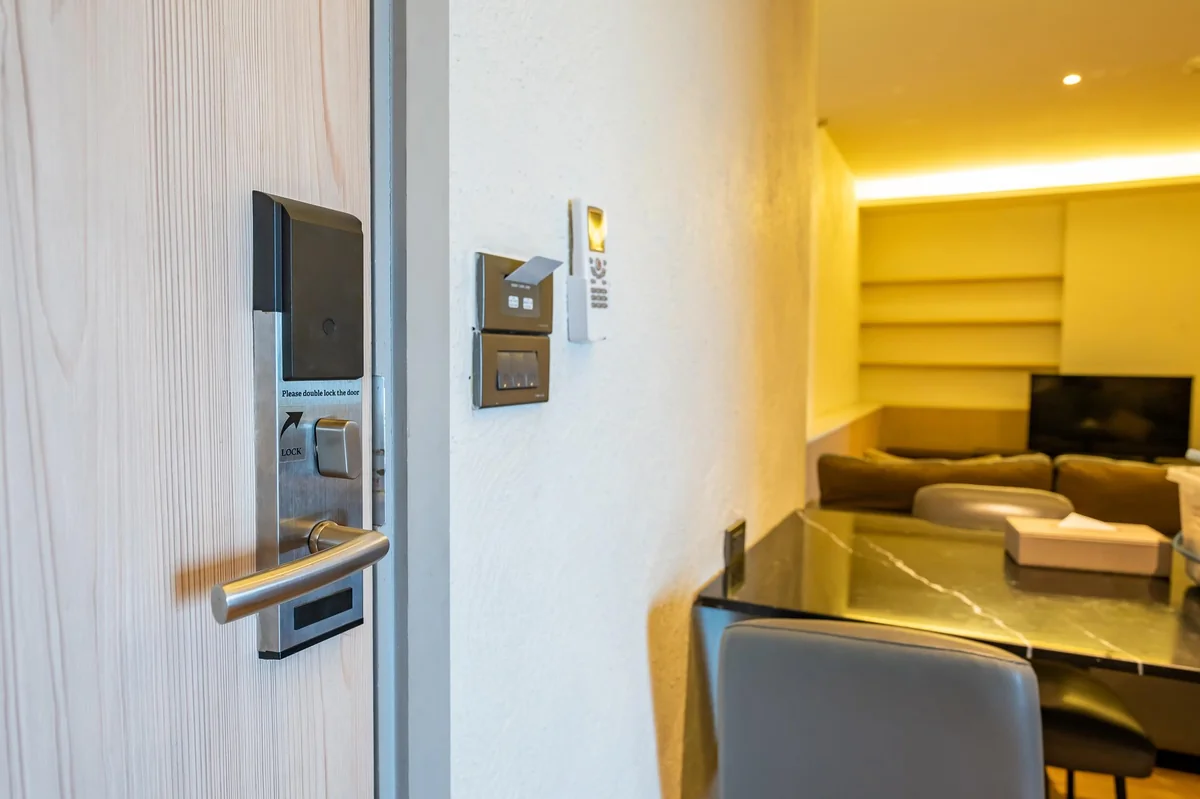

Procurement Criteria That Matter: Evaluating Keypad Smart Lock Suppliers for Multi-Unit Apartment Deployments
Sourcing a keypad smart lock for apartment projects at scale is a fundamentally different exercise than a single-unit purchase — and procurement teams that treat it the same way tend to pay for that mistake downstream. The evaluation criteria shift considerably once you’re placing orders across dozens or hundreds of units, because supplier capability, not just product spec, becomes the deciding variable.
Start with manufacturing credentials. Any supplier worth considering for a commercial deployment should hold relevant certifications — UL listings, ANSI/BHMA grade ratings, and regional compliance marks depending on the target market. These aren’t bureaucratic checkboxes; they’re the baseline evidence that a lock performs under real-world stress cycles, not just showroom conditions. A keyless entry lock for rental properties that looks solid on a spec sheet but carries no third-party validation is a liability risk, not a cost saving.
Beyond certifications, the procurement conversation needs to cover four operational dimensions:
- Minimum order quantities and tiered pricing structures — suppliers with flexible MOQ thresholds are generally better partners for phased rollouts across multiple buildings
- Lead times and regional inventory depth — a 16-week lead time may work for new construction but collapses completely for a mid-cycle retrofit project
- Firmware and software update protocols — ask explicitly how the supplier handles security patches post-deployment, and whether updates require on-site technician access or push remotely
- Warranty terms and replacement part availability — commercial-grade hardware should carry multi-year coverage, with spare components available independently of full-unit replacement
Integration compatibility deserves its own line of questioning. A keypad smart lock for apartment projects rarely operates in isolation — it typically connects to property management software, access control platforms, or building automation systems. Suppliers who offer open API documentation and documented integration histories with common PMS platforms reduce implementation risk substantially. Those who can’t produce that documentation are effectively asking buyers to absorb the integration uncertainty themselves.
Finally, evaluate the supplier’s after-sales support infrastructure honestly. Response times, dedicated commercial account contacts, and field support coverage across your deployment geography all determine whether a supplier is a vendor or a genuine operational partner — and that distinction compounds over a multi-year property management cycle.
Keyless Entry Lock for Rental Properties at Scale: MOQ, Certifications, and Lead Time Realities Buyers Miss
Procurement at scale surfaces a different category of problems entirely. A buyer sourcing a keypad smart lock for apartment projects across a single building has flexibility — a buyer deploying across fifty properties does not. The variables that seem administrative at small volumes (minimum order quantities, certification timelines, production lead times) become hard constraints that can delay entire project phases if they’re not mapped out before contracts are signed.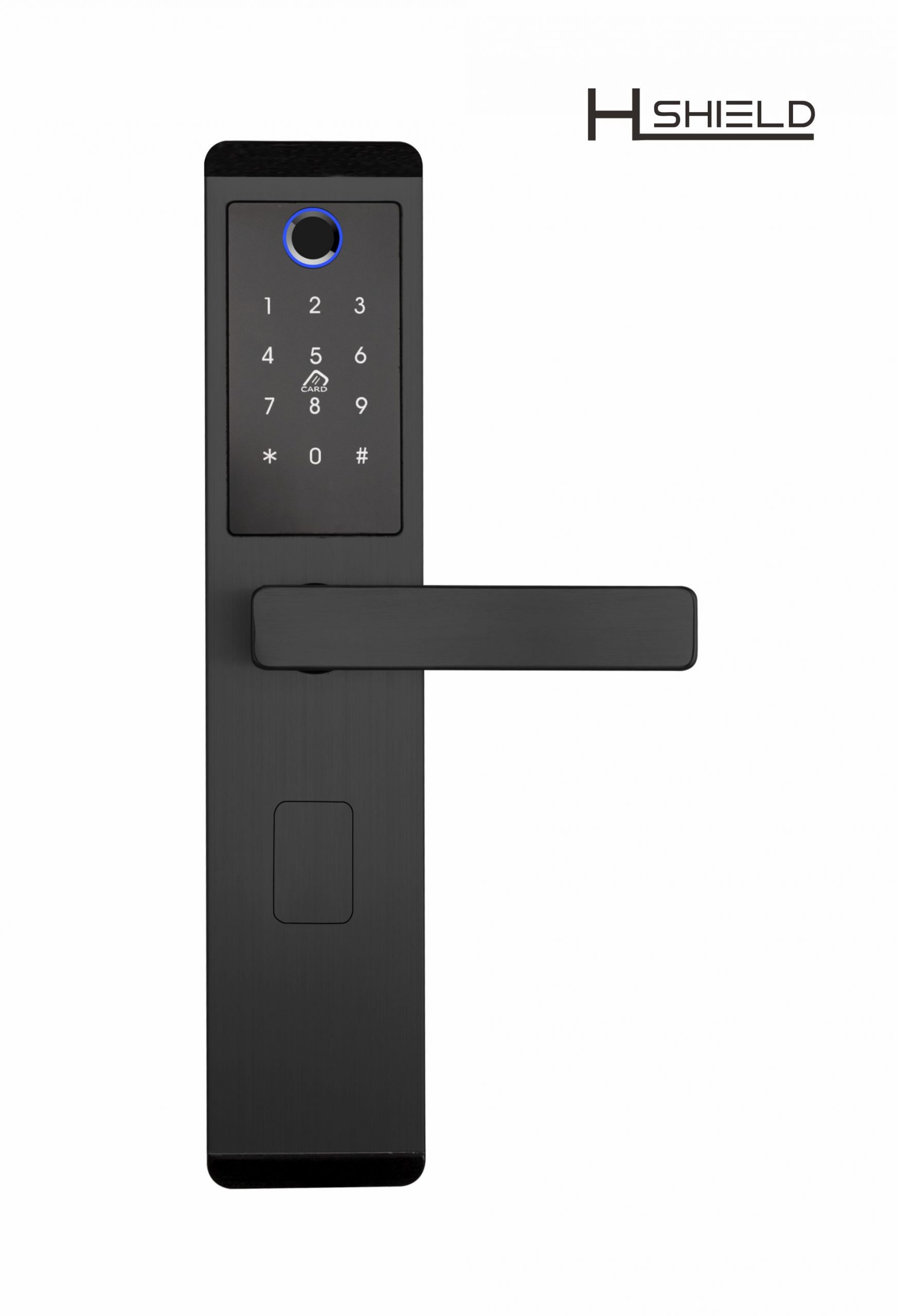
MOQ thresholds vary considerably between manufacturers. Factory-direct suppliers typically set MOQs in the hundreds of units, while trading companies may offer lower entry points — but with thinner technical support and less reliable supply chain visibility. Neither is automatically the wrong choice, but buyers who conflate low MOQ with low risk tend to discover the difference during a delivery shortfall mid-deployment.
Certifications are where procurement teams frequently underestimate lead time. A keyless entry lock for rental properties that will be installed in the EU requires CE marking; North American deployments typically require UL or FCC compliance depending on the connectivity stack. The issue isn’t whether a supplier holds those certifications — it’s whether the specific SKU you’re ordering does. Product lines get updated, hardware revisions happen, and certifications don’t automatically transfer to new versions. Requesting current, SKU-specific certification documentation is non-negotiable, not a formality.
- Confirm certification scope covers the exact hardware revision being ordered, not a prior model
- Request production lead times in writing, differentiated between stock units and custom configurations
- Clarify whether firmware updates are included or licensed separately at volume
- Establish contractual terms around delivery tolerances — especially for phased project rollouts
Lead times for custom configurations — branded faceplates, specific credential formats, proprietary integrations — routinely run eight to fourteen weeks beyond standard SKU timelines. Buyers who account for this in project planning absorb it cleanly. Those who don’t end up renegotiating with general contractors mid-build, which is an expensive position to be in.
The suppliers worth committing to at scale are those who treat these logistics as shared operational problems, not the buyer’s problem to manage around their production calendar.
Designing a Durable Access Workflow: Which Lock Architecture Fits Your Tenant Turnover Rate
Tenant turnover rate is one of the most underweighted variables in access hardware procurement — and it directly determines which lock architecture actually holds up operationally. A stabilized long-term rental building and a short-cycle furnished apartment property have almost nothing in common from a credential management standpoint, even if they’re buying from the same supplier catalog.
The core decision point is this: how many credential change events will each unit generate per year, and what does each event cost in staff time or system overhead? For properties with low annual turnover, a keypad smart lock for apartment projects configured around static PIN management and periodic admin resets is often sufficient. The operational load stays manageable. But once turnover climbs — furnished rentals, co-living formats, transitional housing — that same architecture becomes a liability. Manual PIN cycling doesn’t scale. It introduces lag between tenants, creates audit gaps, and puts pressure on on-site staff who are already stretched.
Dynamic credential systems — where access codes are auto-generated, time-bound, and invalidated at checkout — absorb high turnover without proportional increases in administrative workload. These architectures are particularly relevant when evaluating a keyless entry lock for rental properties operating at near-continuous occupancy cycles. The hardware cost per unit tends to run higher, and integration with a property management platform becomes a hard requirement rather than a nice-to-have. Procurement teams should verify API compatibility before committing at volume — retrofitting integrations post-deployment is a costly correction.
- Sub-2 turnovers per year per unit: static PIN with scheduled admin resets is workable
- 2–6 turnovers per year: semi-dynamic credential management with PMS sync recommended
- 6+ turnovers per year: fully automated, time-bound credential architecture required
Suppliers who specialize in keypad smart lock for apartment projects at commercial scale should be able to map their product tiers directly to these turnover thresholds — and offer reference deployments that match your property profile. If a supplier can’t demonstrate that use case clearly, that’s a signal worth taking seriously before signing a volume agreement.
Conclusion
The turnover rate is the number that should be driving every hardware and software decision here — not the price tag on the lock itself, and not the feature list a sales rep walks you through.
For anyone seriously evaluating a keypad smart lock for apartment projects at scale, the vetting process starts with two questions: does the credential architecture match your actual occupancy cycle, and can the supplier point to a reference deployment that looks like yours? If either answer is vague, keep shopping.
Get the integration right before you commit to volume. Retrofitting is expensive, and it’s avoidable.
Frequently Asked Questions
Q: What makes a keypad smart lock different from a standard electronic lock for apartment projects?
A: A keypad smart lock combines PIN-based entry with remote credential management — meaning property managers can issue, change, or revoke access codes without physically touching the lock. For apartment projects specifically, that distinction matters because you’re dealing with constant tenant turnover, not a static set of users like in a single-family home.
Q: How much does a keypad smart lock for apartment projects typically cost per unit?
A: Hardware costs vary widely depending on whether you’re buying commercial-grade units with cloud management or entry-level consumer models — expect a range from roughly $150 to $600 per door at the lock level alone. That figure doesn’t include the property management software integration, installation labor, or any gateway hardware required for connectivity, which can add meaningfully to the per-unit total at scale.
Q: Can a keypad smart lock be retrofitted onto existing apartment doors?
A: Most keypad smart locks are designed to replace a standard deadbolt and will fit common door prep sizes without major modification. The catch is when a building has non-standard door thickness, multi-point locking systems, or older metal door frames — those scenarios often require hardware adapters or, in some cases, door modifications that make retrofitting more expensive than it looks on paper.
Q: Why do keypad smart locks for apartment projects fail during high-turnover periods?
A: The failure mode is almost always credential management, not the hardware itself. If the system requires manual code updates unit by unit — rather than automated revocation tied to your property management platform — staff workload spikes at move-out dates and codes inevitably get missed. A previous tenant retaining a working code is a security liability that’s entirely avoidable with the right integration architecture.
Q: How long do the batteries last in a keypad smart lock used in an apartment building?
A: Battery life depends heavily on usage frequency and whether the lock uses Wi-Fi (power-hungry) or Z-Wave/Zigbee (much more efficient). In a typical apartment unit with moderate daily use, most quality locks will run six months to a year on standard AA batteries — but common area doors or high-traffic entries will drain them significantly faster.
Q: Is it worth specifying a keypad smart lock for apartment projects over a key fob or card system?
A: For most multifamily projects, keypad-based access removes the physical credential problem entirely — no fobs to rekey, no cards to deactivate at a front desk. The real question is whether your target tenant demographic is comfortable with PIN-based entry, and whether your management platform can automate code cycling; if both answers are yes, the operational savings over a card system tend to justify the hardware cost within a couple of years.
Q: What integration should a keypad smart lock for apartment projects support to work with property management software?
A: Look for locks (or their associated hubs) that connect via an open API or have certified integrations with platforms like property management software that handles leasing workflows. The critical function is automated code generation and revocation triggered by lease events — move-in, move-out, lease renewal — so that access control runs in sync with your occupancy data rather than as a separate manual process.
Q: How do you handle keypad smart lock access for maintenance and service staff in apartment projects?
A: Most enterprise-grade systems support time-limited or scheduled access codes — a maintenance tech gets a PIN that works only during a specific window, then expires automatically. This is one of the clearest operational wins for keypad smart locks in apartment projects: no key handoffs, no lockboxes, and a full audit log of who accessed which unit and when.