
Introduction
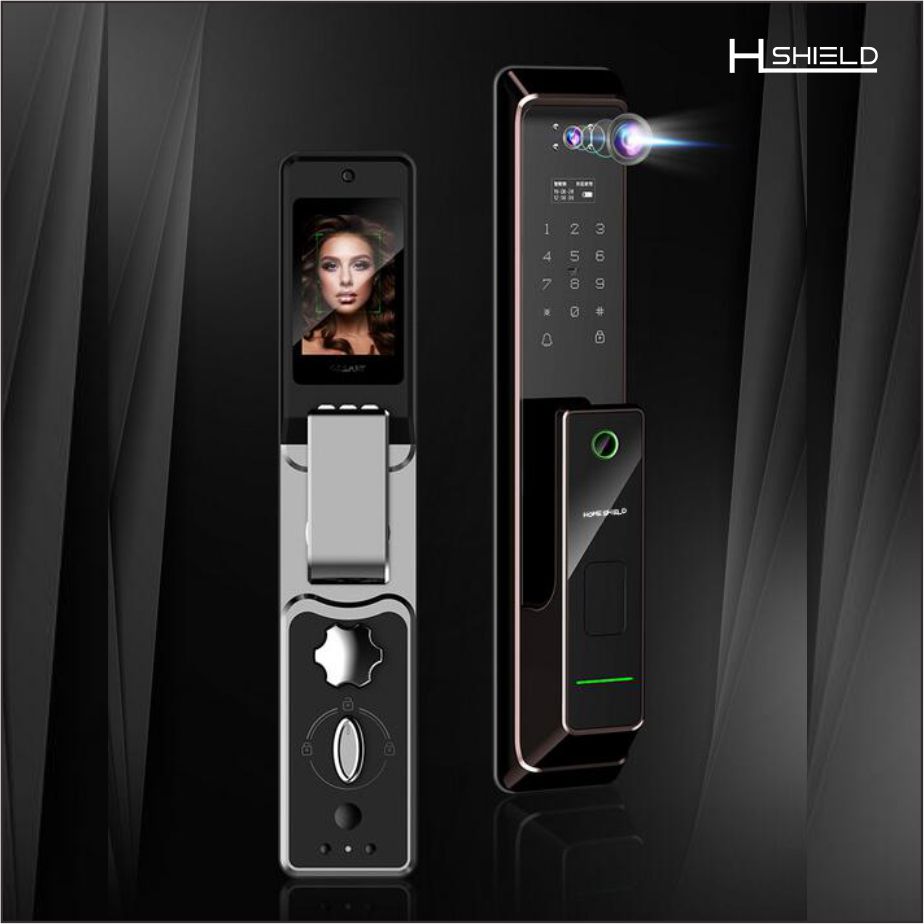
Welcome to the discussion on the evolving landscape of the foreign trade smart door lock market in 2026. This conversation will explore the current state of the smart lock industry, anticipated developments, and the growing demand for commercial smart locks. Let’s dive into the key market dynamics and drivers shaping smart lock solutions.
Market Overview
The smart lock market is experiencing rapid growth, driven by advancements in IoT technology and heightened security needs. Consumers are increasingly adopting smart locks for their convenience, connectivity, and enhanced security features.
Commercial Smart Lock Demand
The demand for commercial smart locks is on the rise as businesses across various sectors recognize the benefits of smart lock systems. These systems provide precise access control, improved efficiency, and enhanced safety, making them attractive to office buildings, hotels, and other commercial entities. The commercial market is poised to adopt diverse smart lock solutions to minimize manual intervention and enhance user experience.
Drivers of Market Growth
The smart lock market is projected to grow at a CAGR of 12.7% from 2021 to 2026, driven by several factors:
– Smart Home Ecosystem: The rise of smart home ecosystems allows for remote control and monitoring of property security.
– Enhanced Security: Smart locks offer advanced security features, including biometric verification and encryption technology, which are increasingly demanded by consumers.
– Popularity of IoT: The growing acceptance of IoT enables smart lock manufacturers to create more connected devices, enhancing user convenience.
– Focus on Safety and Security: As safety becomes a top priority, the demand for smart lock systems that provide robust defenses against intrusions is increasing.
Identification of Smart Lock Market Trends in 2026
Several key trends are emerging in the smart lock market for 2026, providing valuable insights for companies operating in this space:
1. Increased Emphasis on Security Features
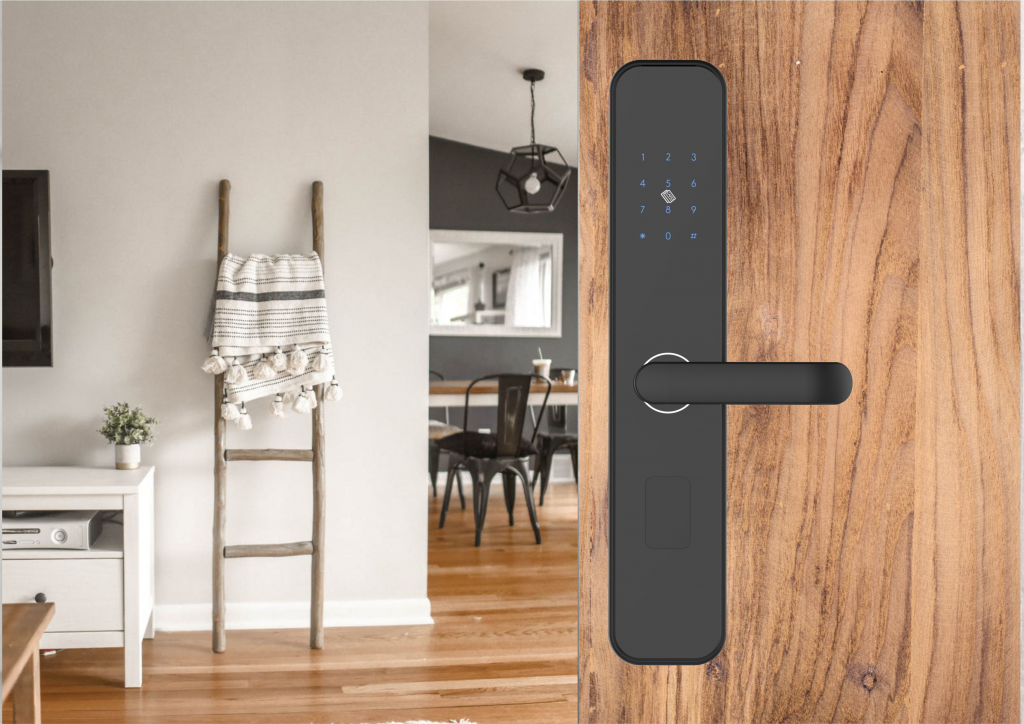
Consumers are demanding more secure elements in smart locks, prompting manufacturers to integrate advanced encryption and biometric authentication into their systems.
2. Growing Commercial Smart Lock Demand
The commercial sector, including hospitality, healthcare, and corporate offices, is increasingly adopting smart lock systems to enhance security, streamline access control, and improve operational efficiency.
Market Trends Overview
To gain a comprehensive understanding of market dynamics, the global smart lock market trends are analyzed across various dimensions.
Table 1: Security Features of Smart Lock Systems Comparison
| Security Feature | Description |
|---|---|
| Advanced Encryption Technology | Provides robust security against unauthorized access. |
| Biometric Authentication | Utilizes unique biological traits for identification. |
| Remote Monitoring | Allows real-time monitoring of lock status. |
Commercial Smart Lock Applications
- Hospitality Industry:
– Keyless entry for hotel rooms enhances guest experience. - Healthcare Facilities:
– Access control for restricted areas, compatible with existing security systems. - Corporate Offices:
– Improved employee access control and integration with office networks.
By staying attuned to these trends and addressing consumer needs, companies can position themselves for success in the evolving smart lock industry landscape in 2026.
Discovering Factors Stimulating Demand for Commercial Smart Locks
To understand the market trend, it is essential to examine the principles driving the demand for smart locks in the commercial sector. Here are some key reasons for the increasing adoption of smart locks in commercial applications:
| Market Trends of Commercial Smart Locks |
|---|
| Enhanced Security |
| Integration with Smart Building Systems |
| Remote Access Control |
| Audit Trails & Activity Monitoring |
These factors collectively contribute to the rising demand for smart locks, as businesses recognize the value of advanced security solutions that offer peace of mind and user-friendliness.
Comparison: Old Locks vs. Smart Locks for Commercial Arenas
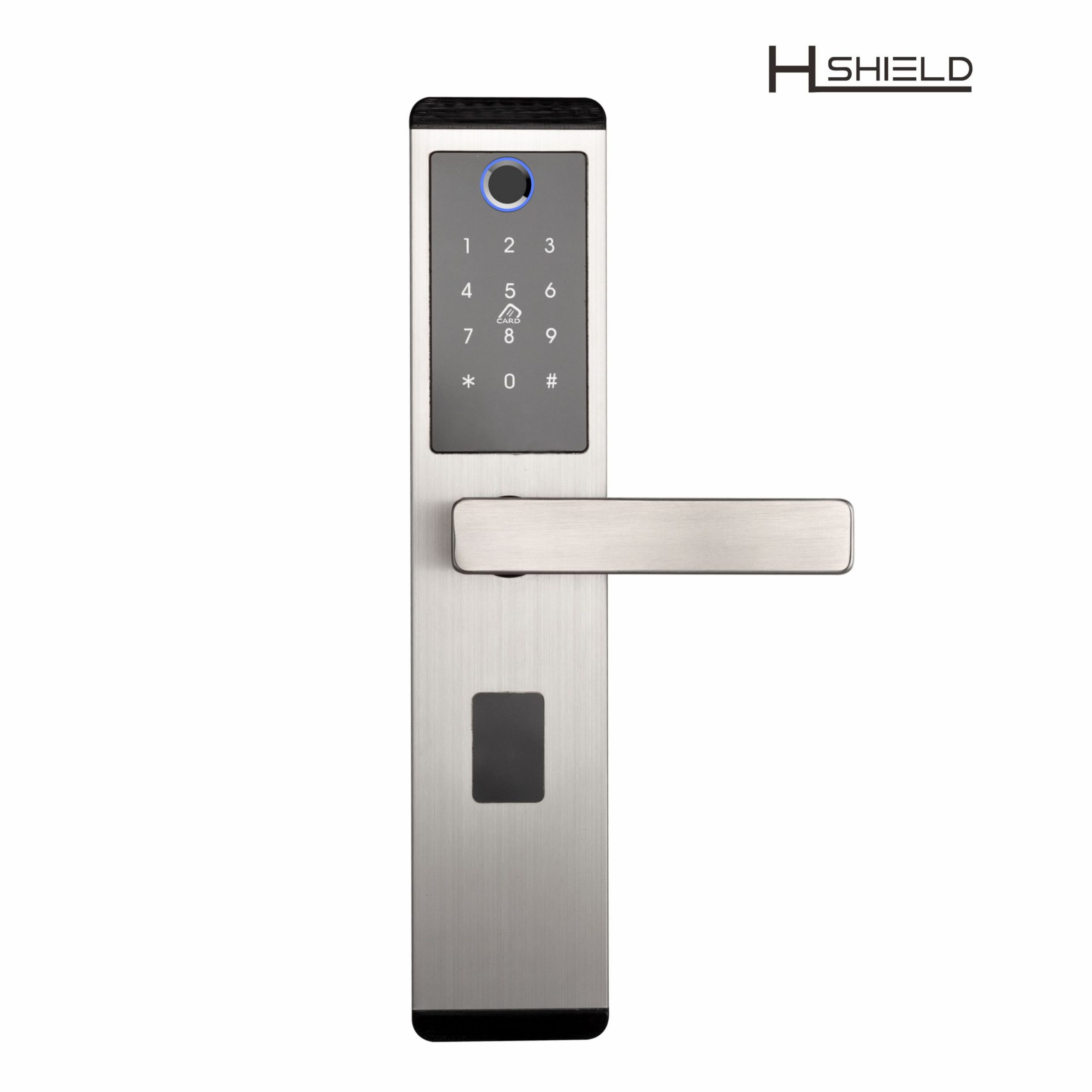
To illustrate the benefits of smart locks in commercial settings, here is a comparison between conventional and smart locks across six key aspects:
| Criteria | Conventional Locks | Smart Locks |
|---|---|---|
| Security Features | Basic | Advanced |
| Access Control Choices | Limited | Flexible |
| Remote Management | No | Yes |
| Integration with Other Systems | Limited | Comprehensive |
This comparison highlights the advantages of smart locks for commercial properties, aligning with a major smart lock market trend 2026: the move toward enhanced security, greater control over access, and seamless integration within intelligent building ecosystems.
Deployment of Smart Lock Systems
In the dynamic smart lock market, understanding the trends for 2026 is crucial for meeting the demand for commercial smart locks. Currently, there is limited application of smart lock products in the foreign trade market for smart door locks.
Considerations for Deploying Smart Lock Solutions
When implementing smart lock solutions, consider the following factors:
1. Compatibility with Current Systems: Ensure that smart lock systems can integrate easily with existing security infrastructures.
2. User Experience: Prioritize user-friendly interfaces and aesthetics for ease of operation.
3. Remote Access Features: Select smart locks that offer remote access capabilities for managing entry when not physically present.
Practical Procedure for Integrating Smart Lock Solutions
To effectively implement smart lock technologies, follow these steps:
1. Evaluate Security Needs: Conduct a thorough security analysis to determine the appropriate smart lock solution.
2. Choose the Right Technology: Select a smart lock system based on security requirements, budget, and ease of use.
3. Installation and Programming: Ensure proper installation for optimal functionality.
4. User Education: Provide training for users on how to effectively utilize the smart lock system.
By offering security with convenience, businesses can successfully integrate smart lock solutions into their homes or commercial properties.
Impact and Summary of Smart Lock Market Trends
The smart lock market is poised for substantial growth in 2026, driven by the increasing demand for secure and convenient access control systems. The trends in the foreign trade market for smart door locks are shaping industry patterns and influencing consumer attitudes.
Market Growth and Expansion
- The smart lock market is expected to see significant growth in 2026, fueled by technological advancements and the rising adoption of smart home devices.
- The demand for commercial smart locks is increasing as businesses prioritize security and seek effective access management solutions.
Key Market Trends
- Integration with Smart Home Ecosystems: More smart locks are becoming part of larger smart home systems, allowing for seamless control of security features. This trend is a key driver for the rising commercial smart lock demand, as businesses seek the same level of integration for office buildings and retail spaces.
- Enhanced Security Features: Manufacturers are focusing on improving security features, including biometrics and multi-level authentication, to prevent unauthorized access.
Market Analysis
- Competition in the smart lock market is intensifying as more companies introduce diverse solutions to cater to varying consumer preferences.
- The growing demand in commercial sectors, such as hospitality, healthcare, and retail, is a significant driver of revenue in this market.
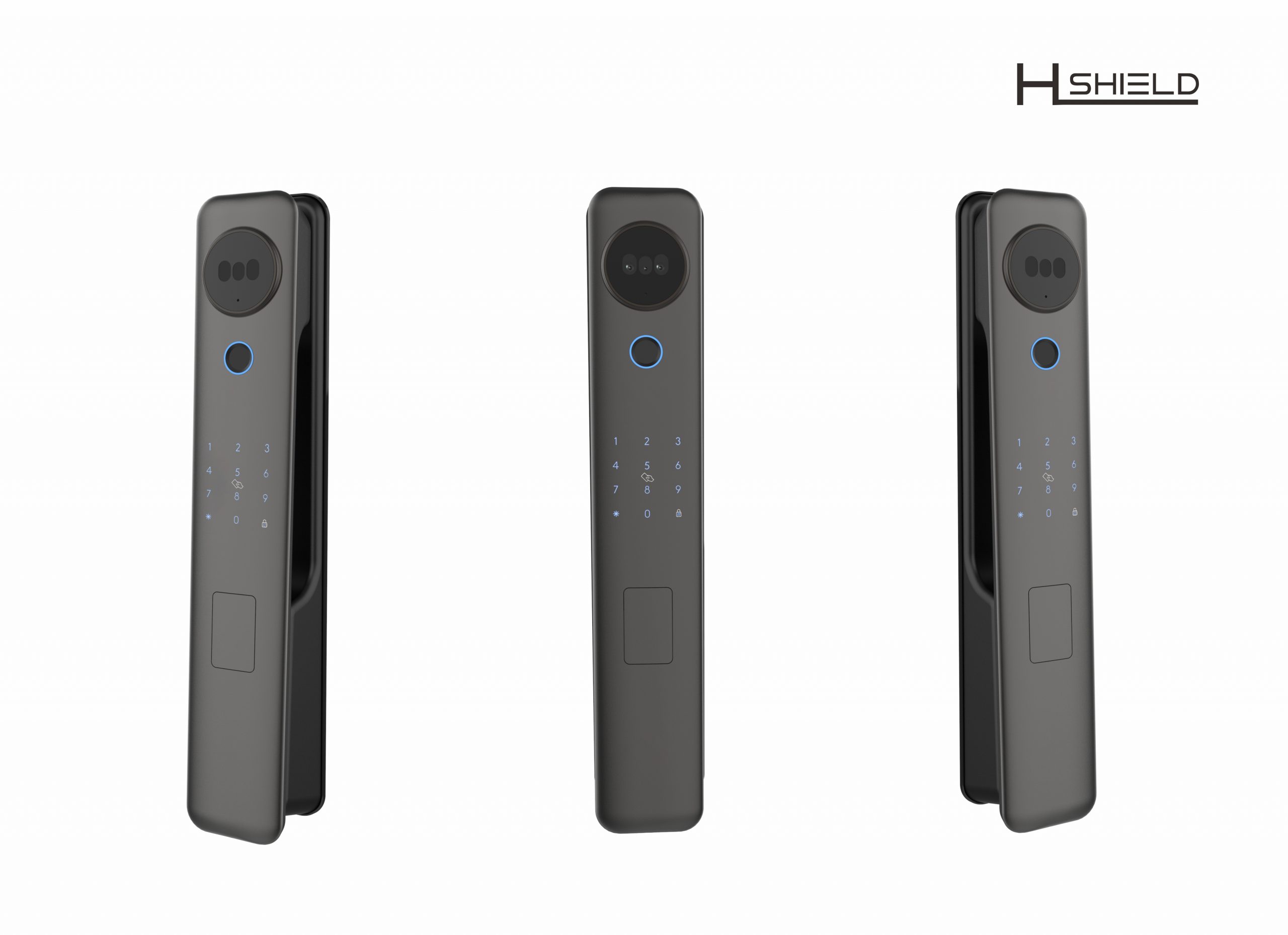
Comparative Analysis: Linear vs. Other Smart Locks
| Type | Description | Applications |
|---|---|---|
| Deadbolt Locks | Traditional design, reliable security | Homes, Small Businesses |
| Lever Handle Locks | User-friendly for accessibility | Industrial, Commercial Facilities |
In conclusion, smart lock market trends leading up to 2026 indicate a shift towards advanced security features and greater integration with smart home ecosystems, alongside increased acceptance in commercial spaces. As the market evolves, innovative smart locks will better meet the diverse needs of businesses and consumers.
Conclusion
- The smart lock market is experiencing rapid growth in 2026, driven by rising demand for commercial smart locks.
- Technological advancements, including IoT and AI, are shaping the development of smart door locks, enhancing safety and convenience for users.
- Businesses are increasingly prioritizing access control and security measures.
- The adoption of smart home automation is fueling demand for smart door locks in residential settings.
- Manufacturers are focused on enhancing features and designs to meet changing consumer preferences.
Q&A
- What are the rising trends in the smart lock market for 2026?
– The market is primarily driven by the increasing adoption of commercial smart locks with enhanced security and access control features. - What impact do modern technologies like IoT and AI have on smart lock trends?
– These technologies enable innovative features such as remote access control and integration with smart devices, enhancing user experience. - Why are more commercial sectors adopting smart door locks?
– Businesses are leveraging smart locks to improve access control, enhance security, and facilitate operations through real-time monitoring. - How does smart home automation contribute to the popularity of smart door locks?
– The integration of smart home automation allows homeowners to enjoy greater convenience and connectivity with their smart locks. - What new developments are manufacturers pursuing to meet consumer needs in the smart lock market?
– Manufacturers are focusing on features like biometric authentication, voice control, and sleek designs to cater to diverse consumer preferences and remain competitive.