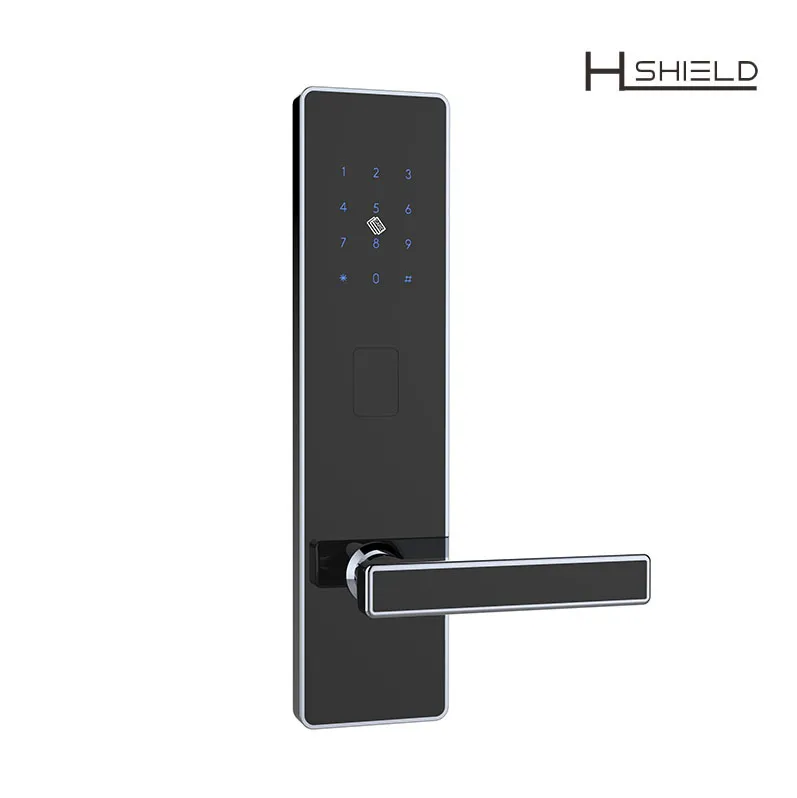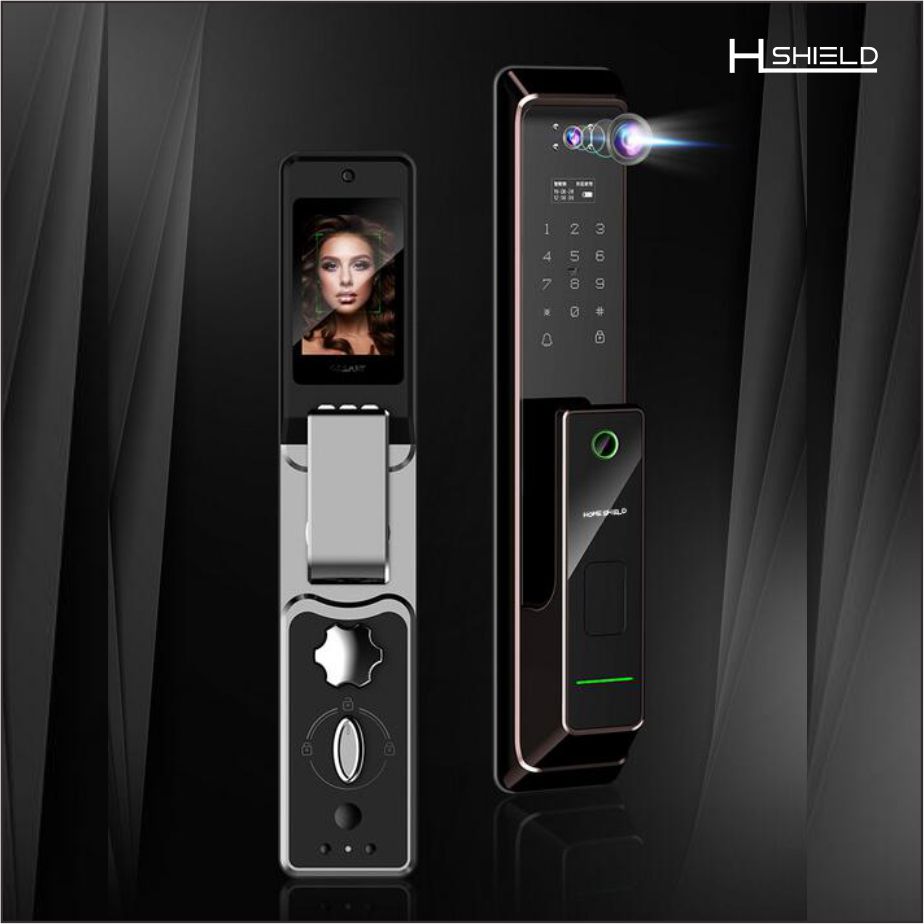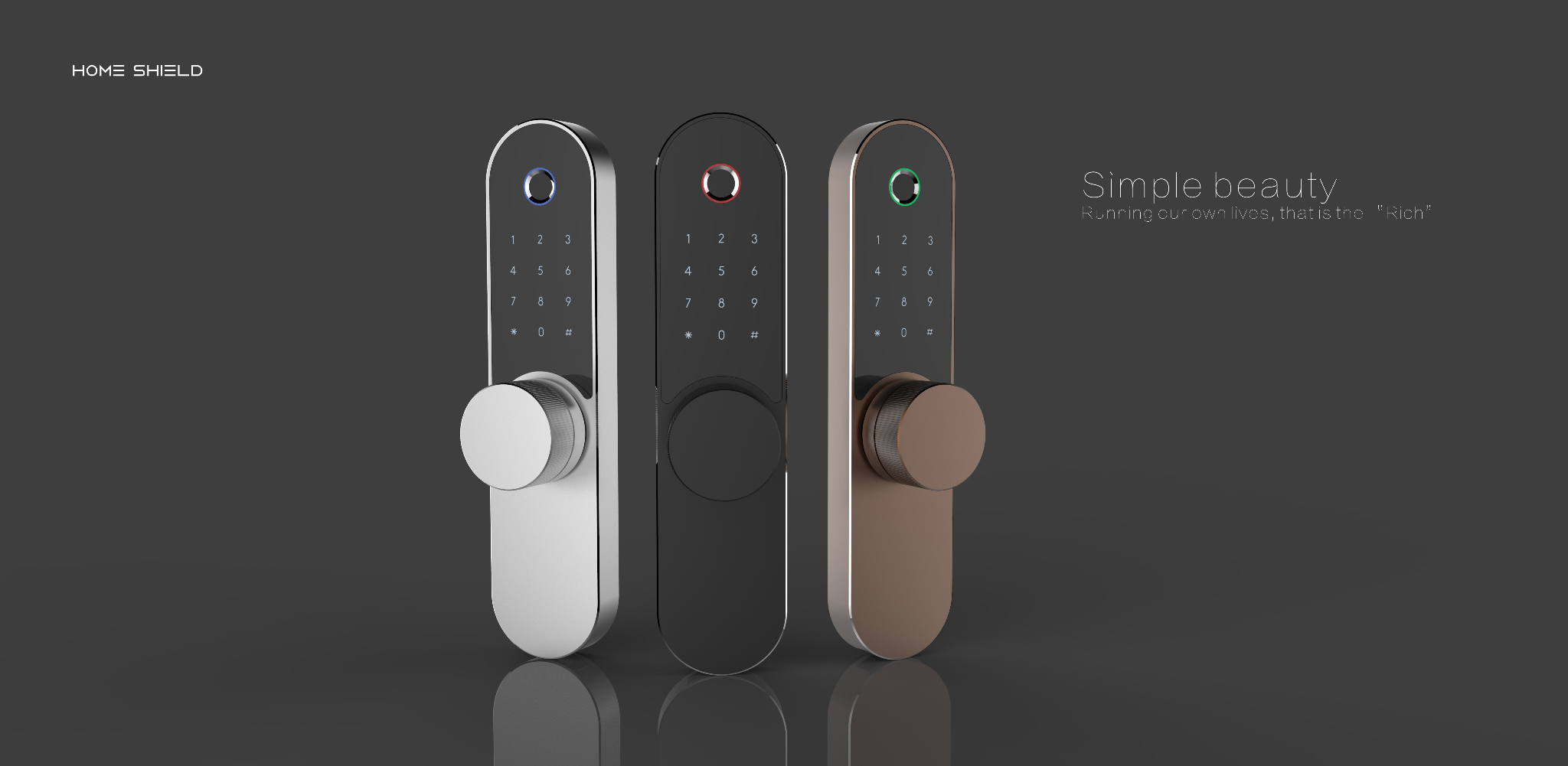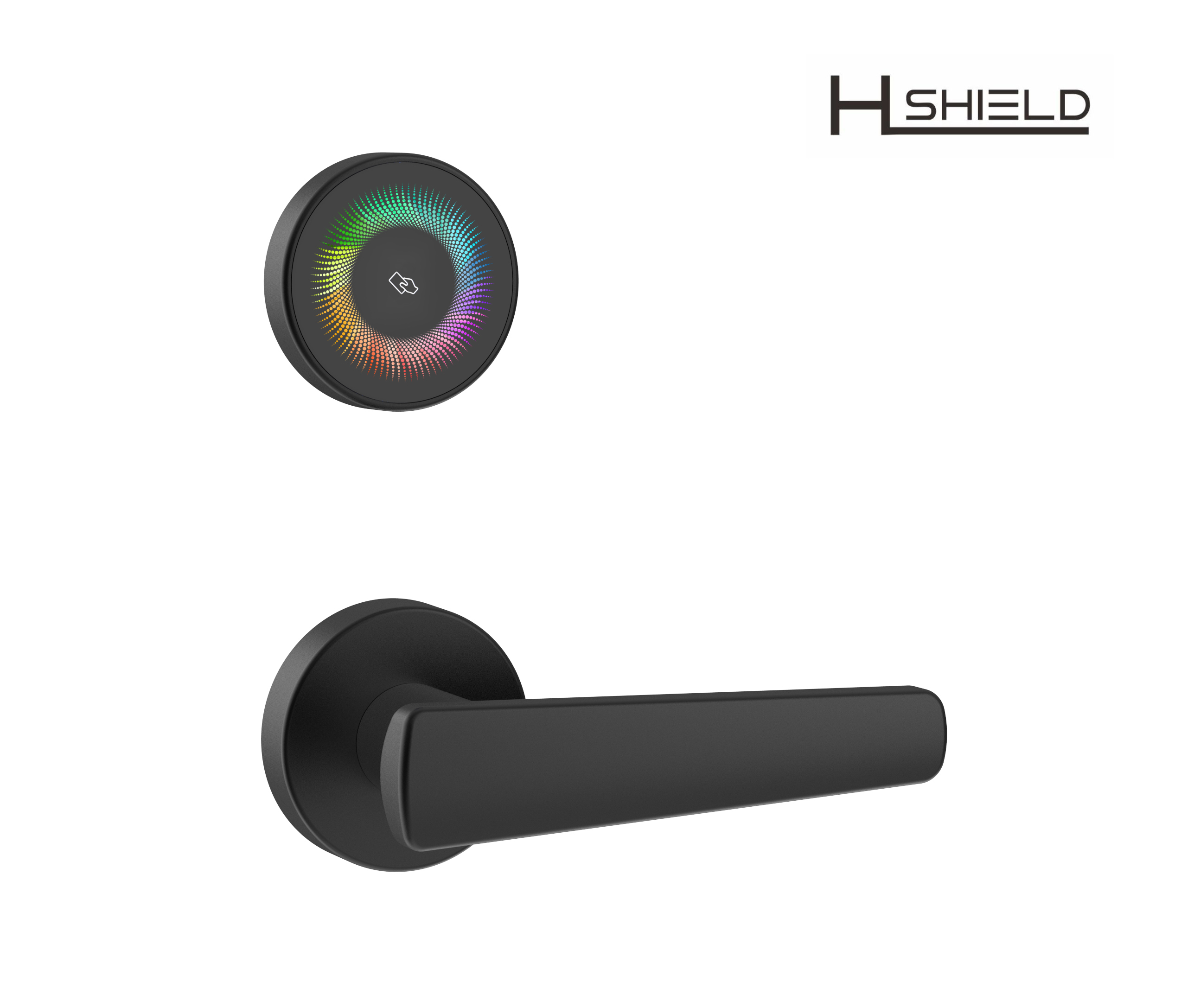

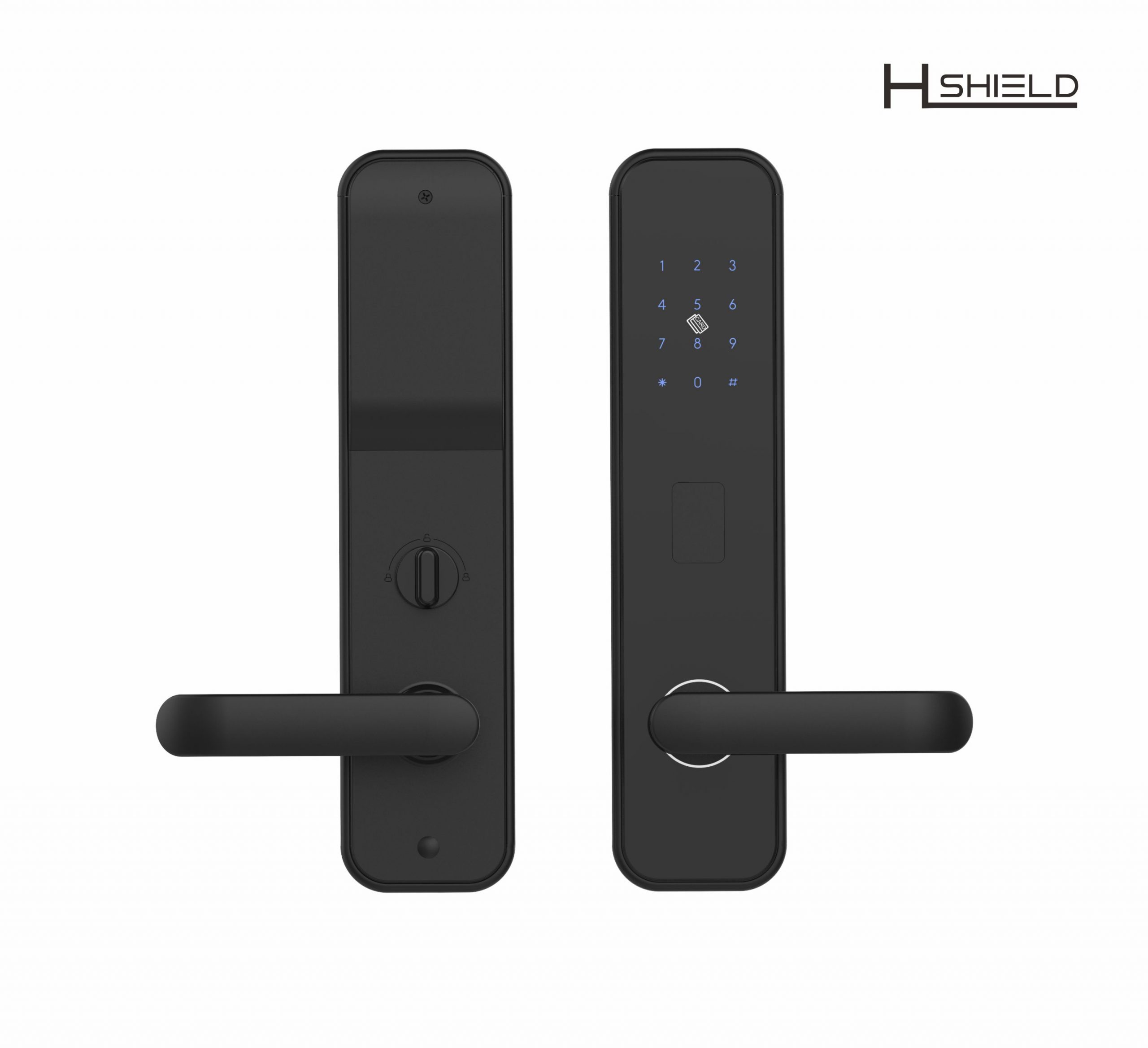
In modern life, where everything is so fast-paced, security and convenience must go hand-in-hand. That is how password locks emerged into today’s world as one of the mainstays in modern access control. These electronic locks replace conventional mechanical keys with code-based entry systems, offering homeowners and business enterprises a higher level of security, flexibility, and efficiency. Unlike traditional locks dependent on physical keys, password locks embed advanced technology to give intelligent protection to houses, offices, and commercial areas. They are designed not only for property safety but also for simplifying access management, reducing the risks related to stolen or duplicated keys, and making it easier for authorized users. The key features, practical advantages, and aspects to be considered with the installation of password locks highlight why they are becoming an essential part of modern security.
Understanding the Key Features of Password Lock
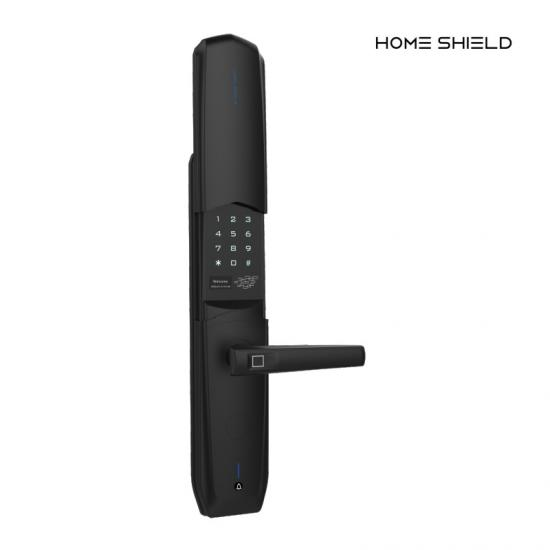
A modern password lock is something more than a keypad. It is about smart technology, robust construction, and user-oriented design, all combined into reliable and convenient security in everyday life.
Sturdy and Responsive Keypad Design
The design and build quality of the keypad, the central interface of every password lock, are extremely important. For high-quality models, construction materials are durable and weather-resistant, sustaining daily use and exposure to elements and variable temperature conditions. Backlit or illuminated touchpads allow entry of codes with ease in poor light conditions at night or in a corridor. Besides durability, responsiveness is very important; a good, aptly designed keypad will ensure smooth and accurate entry, thus eliminating frustration from a missed entry or slow response time. A few advanced versions will even offer anti-peep functionality that enables users to enter extra digits before or after the correct code, thereby inhibiting observers from guessing out the password.
Multiple User Codes for Flexible Access
A strong advantage of password locks is that many versions support multiple user codes. This is very useful, especially for families, shared housing, rental properties, and offices. Each person in a family or within the setting has a unique code, whereas guests, cleaners, and service staff may be given temporary or time-limited codes for restricted access without the hassle of issuing physical keys. This way, property owners can enable and disable access with much ease, hence simplifying and securing management. This option for multiple codes will also allow one more easily to know who comes in and when, offering another layer of accountability.
Smart Integration and Remote Control
The modern password lock normally works in conjunction with smart home or office systems. Many models include either Bluetooth or Wi-Fi connectivity to manage access through smartphone applications. This means a homeowner can grant entry to a trusted visitor while away from home, monitor door activity in real time, and receive notifications if unauthorized attempts occur. Backup power options ensure the lock is always operational: long-life batteries that give a low-battery alert and come with an emergency charging port. Some of the models include mechanical backup keys for emergencies to add reliability to convenience.
Advantages of Installing a Password Lock
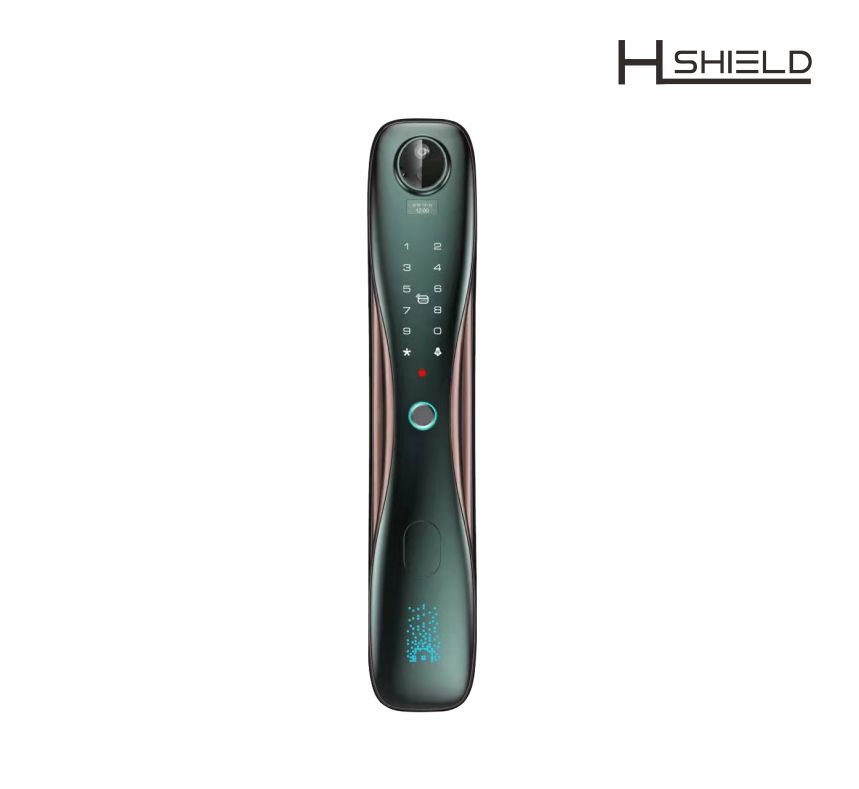
The various reasons and benefits from password lock adoption extend beyond basic security. These systems improve daily convenience, enhance property safety, and can even connect into broader smart management systems.
Enhanced Security Compared to Traditional Locks
Password locks address a number of the vulnerabilities of traditional mechanical locks. Keys can be lost, stolen, or copied and used for gaining access. Password locks negate these problems because entry is obtained by using a required code. Many models come with increased security features, including anti-peep entry, automatic lockout after repeated tries, and alarm triggering on tampering attempts. Therefore, in case somebody tries to manipulate the lock or guess the code, the system proactively reacts in such a way as to prevent entry.
Convenient Management for Multiple Users
Password locks simplify access management for multi-occupant houses or offices. Add, delete, or modify codes at any time without having to replace locks or redistribute keys. Temporary codes may allow controlled access for visitors or service personnel for limited periods, eliminating the need for physical exchange of keys. This further provides property management convenience yet with better security, and also allows the property owner detailed control over who has access at any given moment in time, thereby improving convenience and oversight.
Integration with Smart Home Systems
Password locks go beyond being a device for standalone security, integrating into more extensive smart ecosystems. They work in cooperation with smart alarms, surveillance cameras, automated lighting, and other various devices to form one cohesive security network. This enables remote monitoring and notifications for the house or office manager to take the necessary actions in case of any suspicious activity. Thus, linking the lock with broader systems makes property security both more sophisticated and much easier to manage, assuring peace of mind and further control.
Practical Use of Password Lock in Daily Life
A password lock is used daily, as it serves to combine convenience with security. The operation and features of such in everyday scenarios demonstrate the advantages against upgrading from a traditional lock.
Seamless Entry with User Codes
Operating a password lock is now intuitive: a user approaches the door, turns the keypad or touchpad on, and types in his personal code. If the code turns out to be correct, the internal mechanism retracts the latch, allowing entry. Most models automatically relock when the door closes, thereby keeping your property secure without any further action required. This automation reduces human error and increases the safety of the premises, especially for busy households or office environments where doors might otherwise be left unlocked.
Security Features Against Unauthorized Access
Password locks are fitted with unique features aimed at preventing unauthorized entry. Often, repeated entries of incorrect codes lead to temporary lockouts or alarms. This would prevent repeated attempts to strike a correct guess of the password. These proactive security features protect both homes and businesses, offering superior security to basic mechanical locks. Some versions record attempts so that owners would have a record of possible security breaches.
Managing Access for Multiple Users
Password locks enable easy management of access rights in places serving multiple users. Every user may have a different code, and temporary codes can be granted for short-term visitors or service personnel. Time-limited access means that the user can only enter during the authorized period; this reduces risks and simultaneously makes management simpler. This convenience and security are of particular relevance for property owners, managers of rental spaces, or office administrators.
Choosing the Right Password Lock
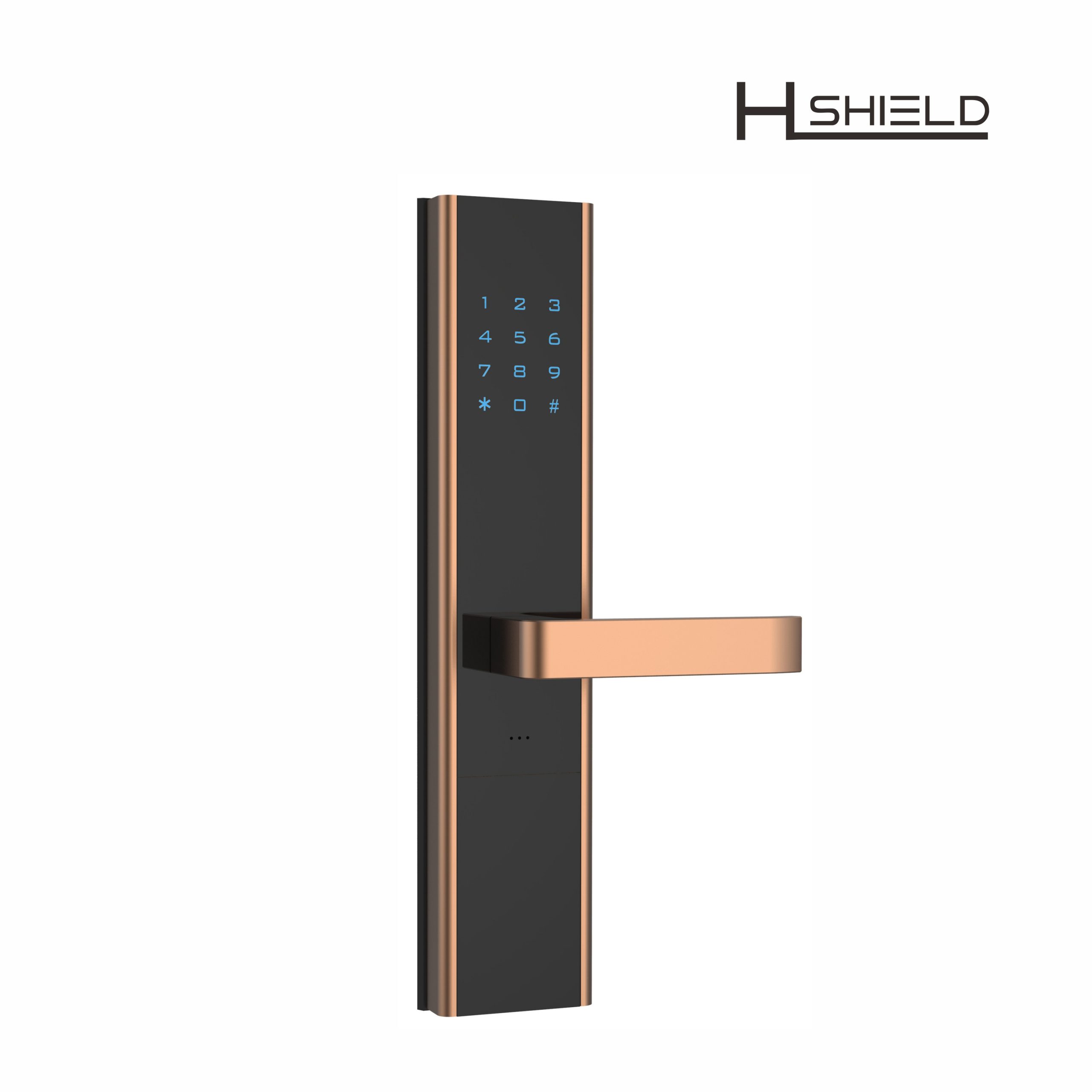
Selecting an appropriate password lock requires careful consideration of several important factors to ensure that the lock provides optimal security, reliability, and ease of use. It is not just about picking a model that looks appealing or has the latest features; the right password lock should align with the specific needs of your property, whether it is a residential home, office, or commercial space. Factors such as durability, advanced security features, power supply reliability, and backup options must all be evaluated to make an informed decision. Choosing carefully ensures that the lock not only performs its basic function of securing the door but also integrates smoothly into daily routines, providing long-term convenience and peace of mind.
Evaluating Durability and Build Quality
For doors exposed to outdoor environments or high-traffic areas, selecting a password lock made from robust, high-quality materials is essential. Locks constructed from durable, weather-resistant metals or reinforced plastics can withstand harsh conditions such as rain, dust, extreme temperatures, and frequent handling. The touchpad or keypad should be designed to endure repeated use without showing signs of wear, ensuring consistent performance over time. Features such as backlit or illuminated keypads improve usability in dimly lit areas, making it easier for users to enter codes accurately at night or in poorly lit hallways. Sturdy construction not only enhances security by preventing physical tampering but also ensures that the lock maintains its functionality and aesthetic appeal for many years, reducing the need for replacements or repairs.
Considering Advanced Security Features
Beyond basic code entry, advanced security features significantly enhance the protective capabilities of a password lock. Anti-peep or dummy-digit entry functions prevent observers from deducing the correct code, offering additional privacy and protection against shoulder-surfing attempts. Automatic lockout mechanisms temporarily disable the keypad after multiple incorrect attempts, discouraging brute-force hacking attempts. Some models also include tamper detection, alert notifications, and built-in alarms to deter intruders and notify property owners of suspicious activity. Selecting a lock that incorporates these advanced security functions provides a higher level of protection, ensuring that unauthorized access is minimized whether the property is a residential home, a shared living space, or a commercial facility with multiple occupants and visitors.
Power Supply and Backup Options
The operational reliability of a password lock heavily depends on a consistent and reliable power supply. Most electronic locks are powered by batteries, and high-quality models offer long-lasting battery life with low-battery warnings to prevent unexpected lockouts. Emergency charging options or external power ports provide additional assurance in case the internal battery depletes. Mechanical backup keys are also an essential feature for extreme situations, such as a complete electronic failure, ensuring that users can still access the property without compromising security. Evaluating these power and backup options carefully is crucial because uninterrupted functionality is essential for both safety and convenience, particularly in high-traffic areas or critical access points where lock failure could cause significant disruption or security risk.
Conclusion
Password locks offer a modern, intelligent solution for securing homes, offices, and commercial spaces. By replacing traditional keys with digital codes, they eliminate risks associated with lost or duplicated keys while providing flexible and user-friendly operation. With features such as multiple user codes, temporary access, smart system integration, and reliable backup options, password locks provide both convenience and enhanced security for everyday life. For those looking to explore a wide range of reliable password lock solutions tailored to various security and usability needs, more detailed product options and specifications can be found on the official product page Smart wifi door lock – Home Shield.